

Since the 18th National Congress of the Communist Party of China (CPC), the CPC Central Committee has attached greater importance to border governance, advancing key principles such as “to govern the country well, we must first govern the frontiers well” and “vigorously boosting development in border areas and improving the living standards and maintaining stability and security.” During his inspection tour of Yunnan in 2025, General Secretary Xi Jinping once again stressed the need to advance the initiative to boost development and raise living standards in border areas in the new era and to safeguard ethnic unity and border stability. For a border city such as Pingxiang in the Guangxi Zhuang Autonomous Region, cross-border trade involves more than the exchange of goods; it is also where industrial development, rising incomes for local residents, and grassroots governance intersect. Taking cross-border trade disputes as its starting point, the Shangqiao Practice Team from Zhongnan University of Economics and Law (ZUEL), led by Li Jiaqi of the School of International Education, conducted field visits, in-depth interviews, and questionnaire surveys at Friendship Pass and local markets and businesses along the China-Vietnam border from July 31 to August 4, 2026. Through this fieldwork, the team gained firsthand insight into everyday business activities and livelihoods in Vietnam. By going abroad and reflecting on their experiences back home, the students sought to develop a more objective and comprehensive understanding of China and to foster greater understanding of China’s grassroots governance experience through equal exchange.
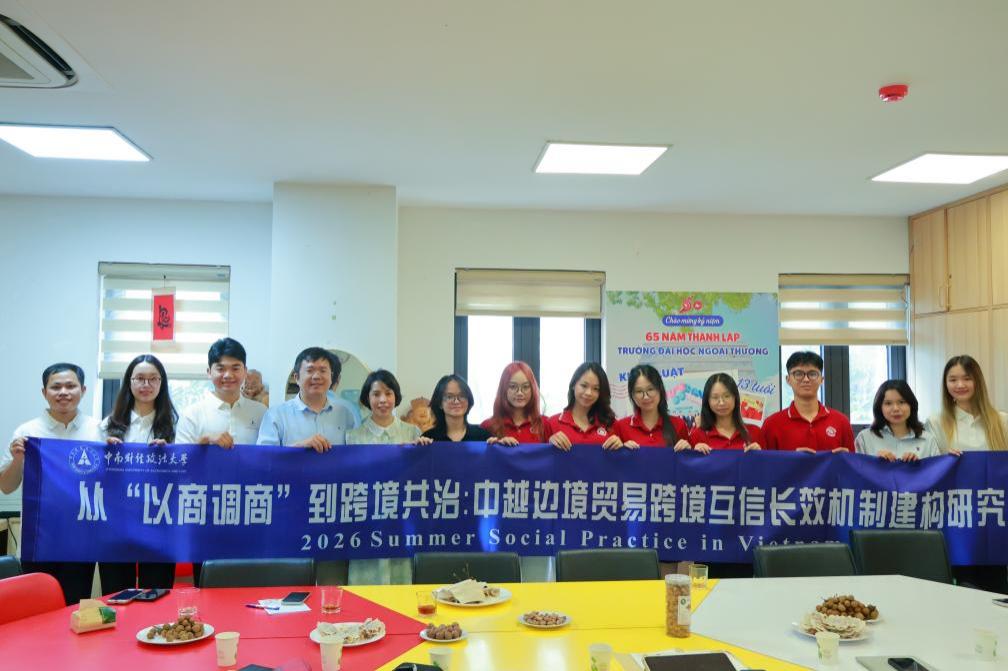
Photo 1: Taking a group photo with faculty and students from Foreign Trade University (FTU)
The College Forum: Exploring the Rules of Cross-Border Trade with Questions
The practice team arrived at FTU, the first stop of their research trip, and held a forum with faculty and students on July 31. The Dean of the Faculty of Law gave a deep analysis of the objective trading risks and economic losses in border trade, based on Vietnam’s current foreign trade regulations and real cases. Meanwhile, a professor of the School of Economics & International Business noted that as border trade continues to shift toward online platforms, transactions, customs clearance and logistics could be integrated into a seamless chain. However, due to incongruent bilateral regulations, the long-awaited mechanism for mutual recognition of regulatory data has yet to be implemented. The practice team formed a systematic understanding of the underlying logic of the platform-based development of China-Vietnam border trade and of the key directions of standardization. This briefing also offered a clear theoretical framework and research entry points for their subsequent research.

Photo 2: Holding discussions with the Dean of the Faculty of Law at FTU

Photo 3: Having an exchange with an Associate Professor of Economics at FTU
Joint Survey: Seeing Cognitive Gaps from the Questionnaires
The practice team cooperated with students of Hanoi Law University (HLU) and FTU to conduct a questionnaire survey on August 1. Aimed at collecting perceptions and suggestions from students on the development of China-Vietnamese border trade and cross-border dispute resolution mechanisms, this survey further enriched the sample and data foundation. During this collaboration, the three groups of students effectively interacted with one another, centering on academic studies, academic research and practical missions of young people, building professional consensus through inter-university and intercultural communication. It also laid a solid foundation for future inter-university academic exchanges.
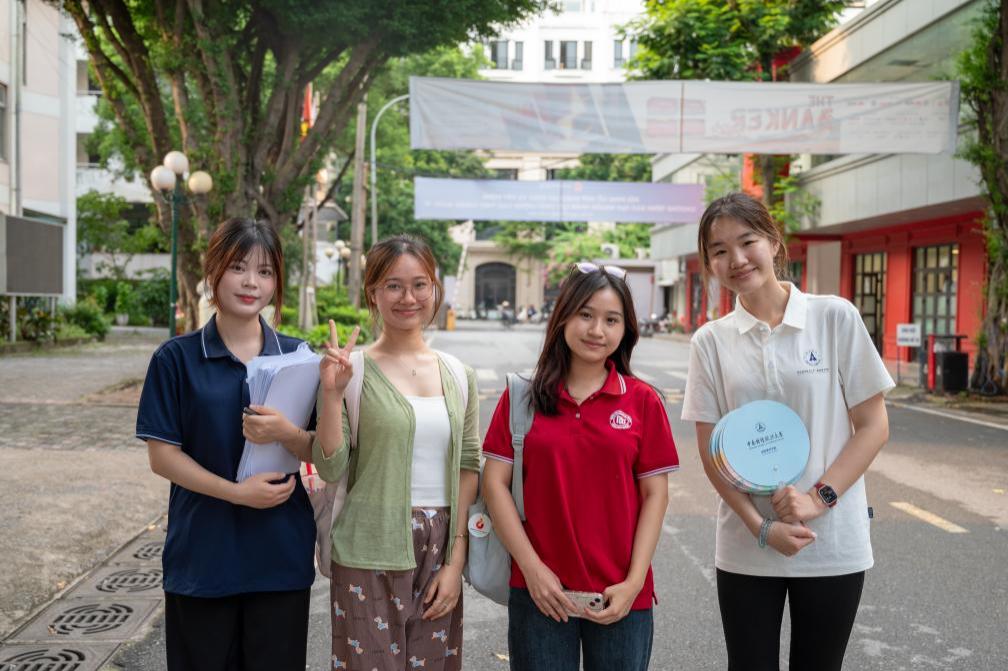
Photo 4: Carrying out a joint questionnaire survey with students from HLU and FTU
Practitioner Interviews: A Lawyer’s Insights into Mediation
On the morning of August 2, the practice team met in Hanoi for a special symposium with Lawyer Deng Chao, a senior Chinese foreign-related lawyer who has practiced in Vietnam for many years. He reviewed several cases involving payment and contract-performance disputes. Although the amounts in dispute were relatively small, they nonetheless became intractable burdens for small and medium-sized merchants in the course of their business operations.In his view, chambers of commerce and industry associations, with their advantages of familiarity with bilateral commercial practices and a neutral stance, are important vehicles for resolving small-amount, high-frequency cross-border disputes. As an effective supplement to litigation, mediation takes into account both legal principles and commercial considerations. Compared with time-consuming litigation procedures, it is better suited to the practical needs of border trade.
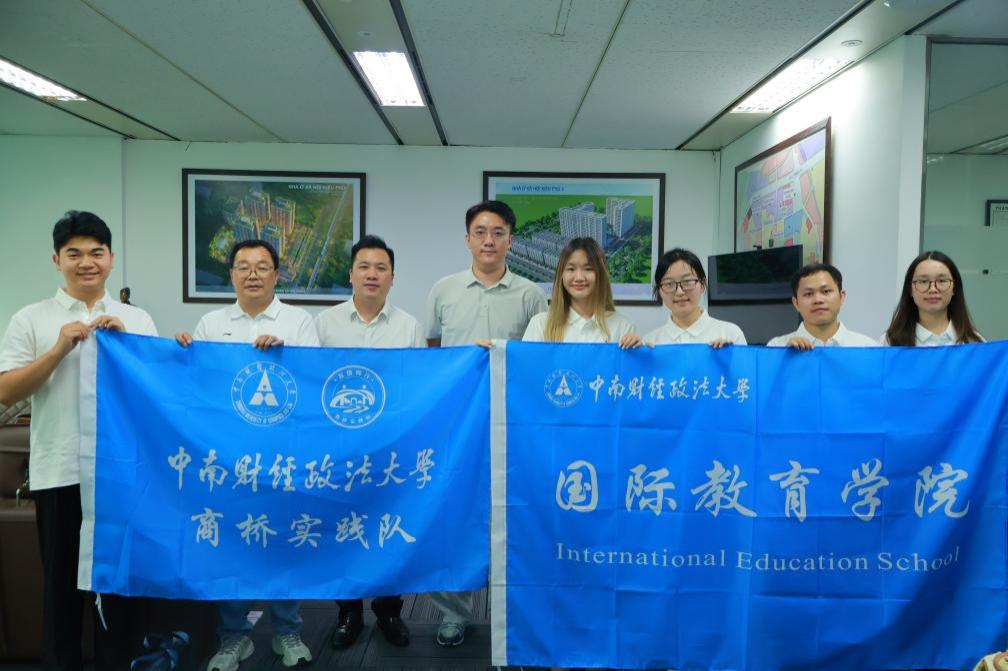
Photo 5: Holding discussions with Lawyer Deng Chao of Wocheng Law Firm
Dialogue with Regulators: Understanding the Bottlenecks at Customs
On the afternoon of August 2, the practice team met with Vietnamese customs officials and local importers for an exchange focused on two areas: the current state of port clearance supervision and the operational challenges facing cross-border trading enterprises. “We have always hoped to achieve mutual recognition of inspection results with Chinese customs, so that once goods have completed compliance inspection on one side, they would be exempt from re-inspection on the other,” said one Vietnamese customs official, voicing a real pain point in port supervision. At the current stage, the same batch of import and export goods often has to undergo separate inspections at the ports of both countries, which prolongs customs clearance cycles and raises overall trade costs. As a result, time-sensitive goods such as fresh produce come under pressure, and so does merchants’ working capital. Vietnam is exploring mutual recognition of inspection results through cargo classification reviews and fast-track channels based on enterprise credit ratings, aiming to let data do the traveling instead of goods. The exchange also made the practice team recognize that the bottlenecks in cross-border trade are not confined to market entities; at the regulatory level, there are equally urgent practical challenges waiting to be solved.
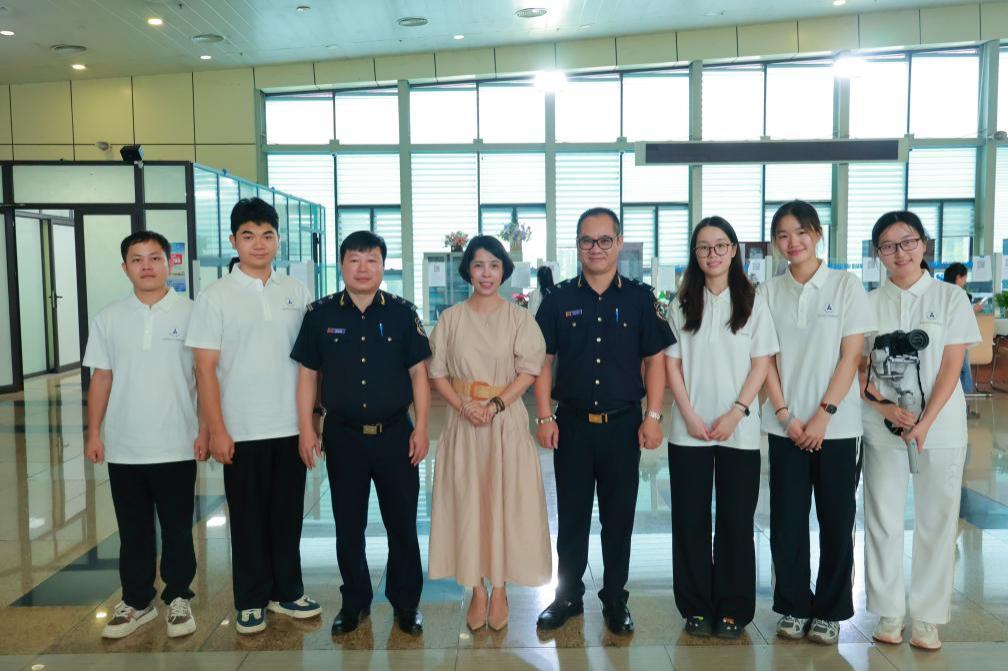
Photo 6: Having an exchange with Vietnam Customs officials

Photo 7: Holding discussions with Vietnamese importers
Field Visits to Border Enterprises: Building Consensus Through Dialogue
On August 3, led by Professor Chen Qingshui from FTU, the practice team visited three local Vietnamese enterprises and observed varied operational situations: Cross-border logistics ICT companies are constrained by multiple factors such as customs clearance efficiency, exchange rate fluctuations, and category regulations; import and export companies adhere to signing written contracts for each transaction and rely on both intermediary recommendations and online qualification verification to manage business risks, with company leaders actively expressing their willingness to participate in bilateral mediation as industry practitioners; established TDL companies have long been troubled by cumbersome customs procedures and high costs of cargo detention, reporting issues in the existing arbitration process, including high fees, lengthy proceedings, and unstable enforcement outcomes. Combined with previous interviews with two import clients, the five business entities face different circumstances but have shared a common demand: there is no shortage of market enthusiasm for cross-border trade, and there is an urgent need for a set of rules mutually recognized and followed by both parties.

Photo 8: Visiting Vietnamese cross-border logistics companies
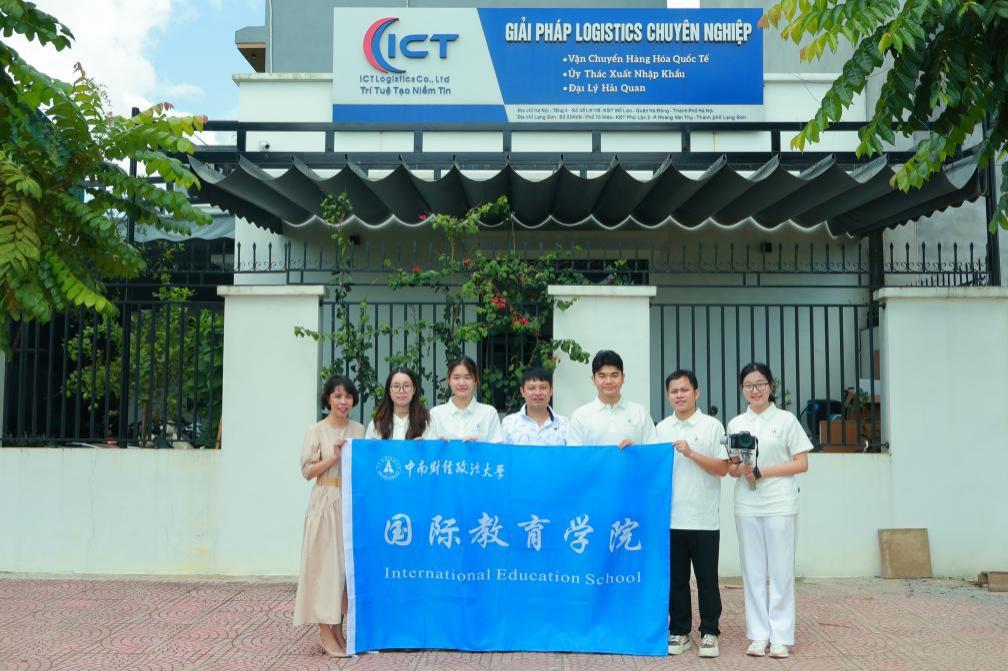
Photo 9: Communicating with the representative of China-Vietnam import and export trading companies
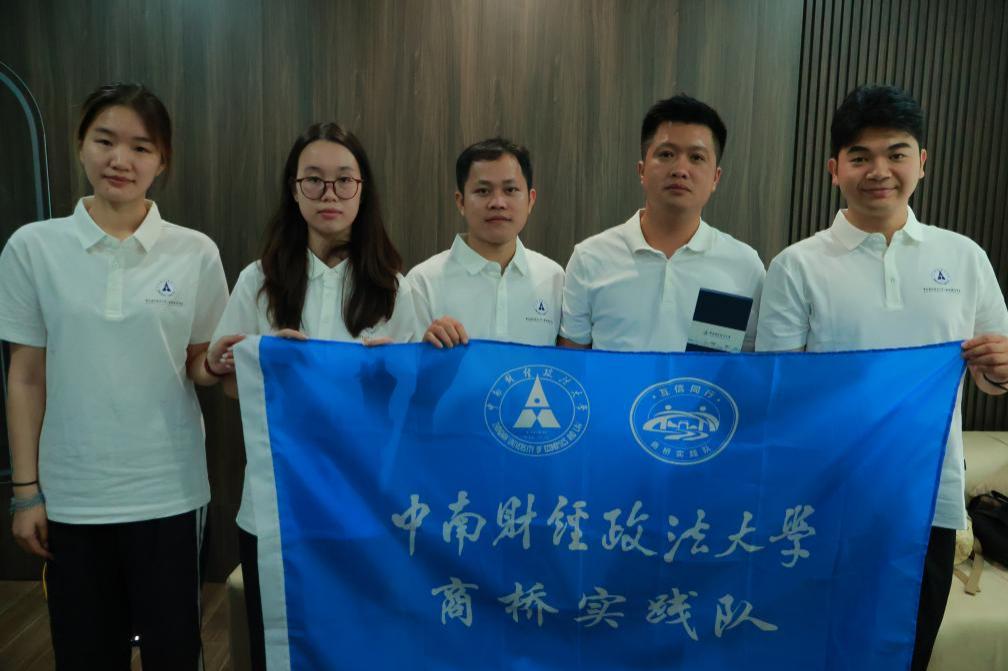
Photo 10: Touring a local enterprise in Vietnam
Street Interviews: Listening to the Voices of Local Business
On August 4, the practice team went to the Vietnamese commercial street to distribute street questionnaires and conduct brief interviews with grassroots merchants. The research team distributed survey questionnaires to various small and micro businesses along the street, engaging in face-to-face communication and random interviews on topics such as the current state of cross-border trade, daily business challenges, and dispute resolution needs. Individual merchants interviewed were highly enthusiastic, actively cooperating with questionnaire completion and sharing their genuine business experiences. The research collected a wealth of first-hand information from the grassroots market, achieving overall good results and effectively supplementing the sample of small and micro business operators beyond in-depth corporate interviews.
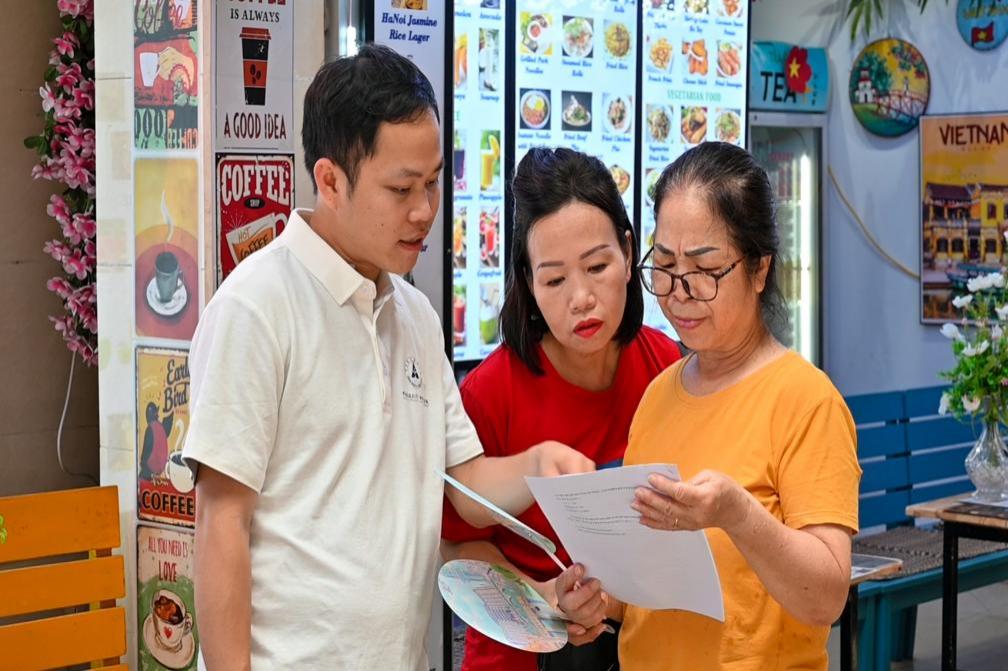
Photo 11: Distributing questionnaires to SME owners on Vietnam commercial street
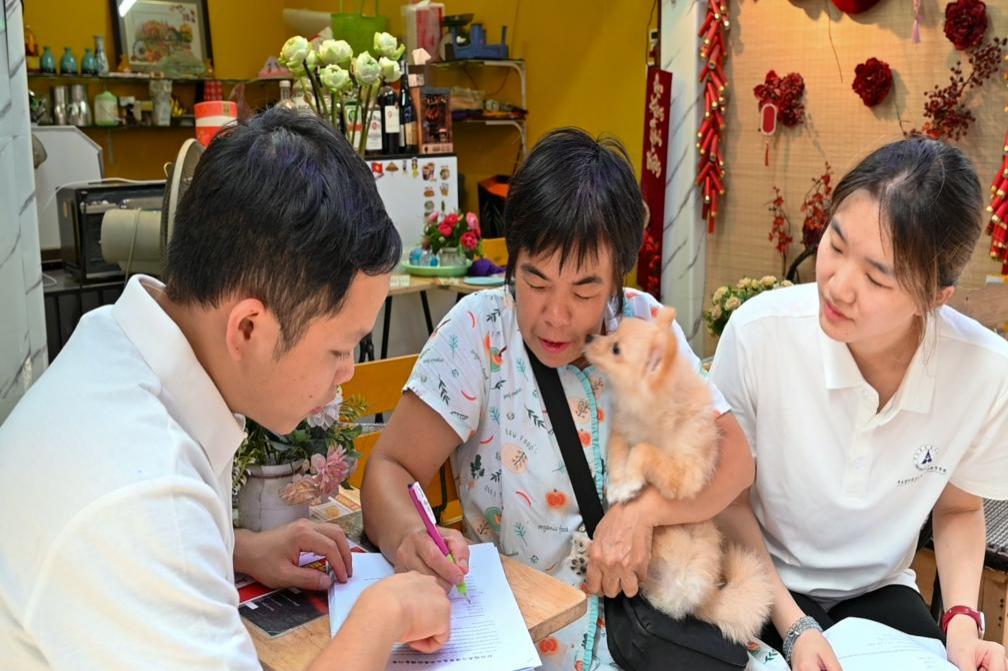
Photo 12: Conducting face-to-face interviews with local merchants
Online Interview: Retrospective Insights After Returning to China
On August 19, the practice team held a video call with the Guangxi Commercial Mediation Association, seeking to compare observations from overseas research with domestic practices. During the online interview, the team grew increasingly aware that professional competence underpins efforts to advance China-Vietnam commercial mediation cooperation, and that fostering mutual trust is a critical, indispensable component of the process. This in turn led the team to re-examine the array of practical dilemmas identified during their field research in Vietnam. For mediation to truly function effectively, it cannot rely solely on the existence of mediation institutions. Instead, its success hinges on three core pillars: a reserve of professional talent behind the institutions, a solid bond of mutual trust built up over time, and practical explorations tailored to the actual conditions of border trade.
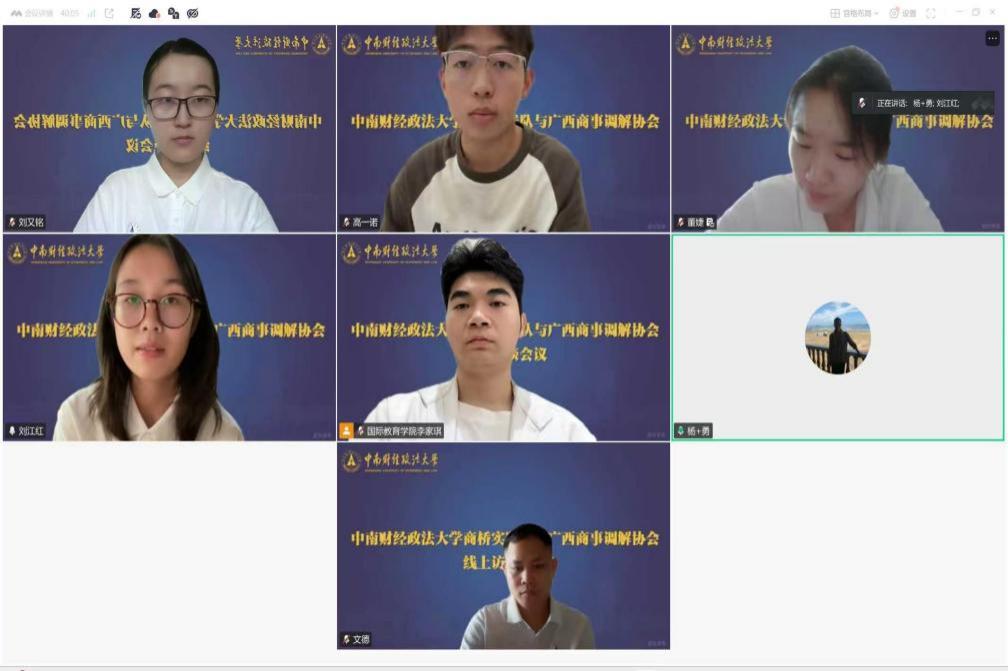
Photo 13: Interviewing the President and Vice President of the Guangxi Commercial Mediation Association
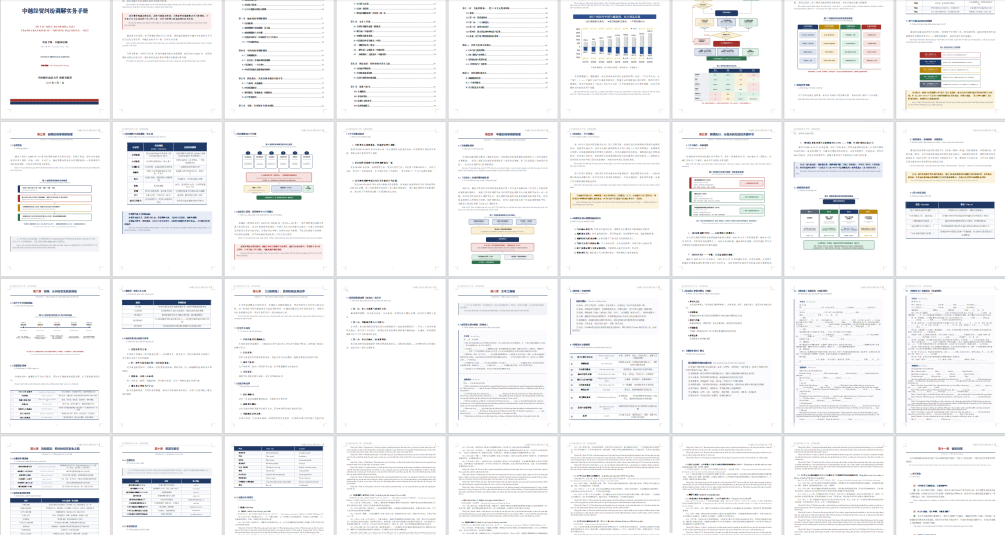
Photo 14: Pages from the Practice Manual for China-Vietnam Cross-Border Trade Dispute Mediation compiled by the team
Starting from the specific, targeted issue of border trade disputes, the practice team carried out field research across universities, border regions, enterprises and ports, and gained an in-depth understanding of the real economic and social landscape in Vietnam. By compiling interview notes and original transcripts, and cross-referencing them with field visit findings and case data, the practice team conducted a thorough analysis of the practical challenges facing the development of China-Vietnam border trade, and distilled referable experience, key insights and policy reflections. In addition, the team developed a Practical Manual for China-Vietnam Economic and Trade Dispute Mediation applicable to merchants of all backgrounds, formulated based on real-world practice scenarios. A supporting suite of diverse outreach materials was also produced, including data analysis reports, field practice videos and photo compilations.
Venturing abroad to study overseas commercial realities and reflecting on domestic mediation practices, the practice team finds that the value of this survey transcends the field trip itself. Instead, it lies in translating real-world issues captured on the ground into accessible, referenceable materials, and offering frontline insights for the resolution of cross-border commercial disputes from a youth fieldwork perspective. This may well be another way the practice team interprets “Chinese wisdom and Chinese solutions”:Venture out to see the world. Return home to understand China.