

From April 11 to 12, the 2026 Intellectual Property Nanhu Forum was held in Wuhan.Under the theme of“AcceleratingHigh-Quality Sci-Tech Self-Reliance and Self-Improvementand Innovative Development of Intellectual Property Rights”, the forum gathered over 500 distinguished scholars, rising stars, legal elites and industry leaders in the field of intellectual property from China, the United Kingdom, the United States, Germany, Japan, South Korea, Switzerland and other countries. They convened to explore new approachesto building a global leader in science and technology through intellectual property. At the same time, this forum was broadcast live online, attracting a totalof500,000 views until the close of the event and winning wide media coverage.
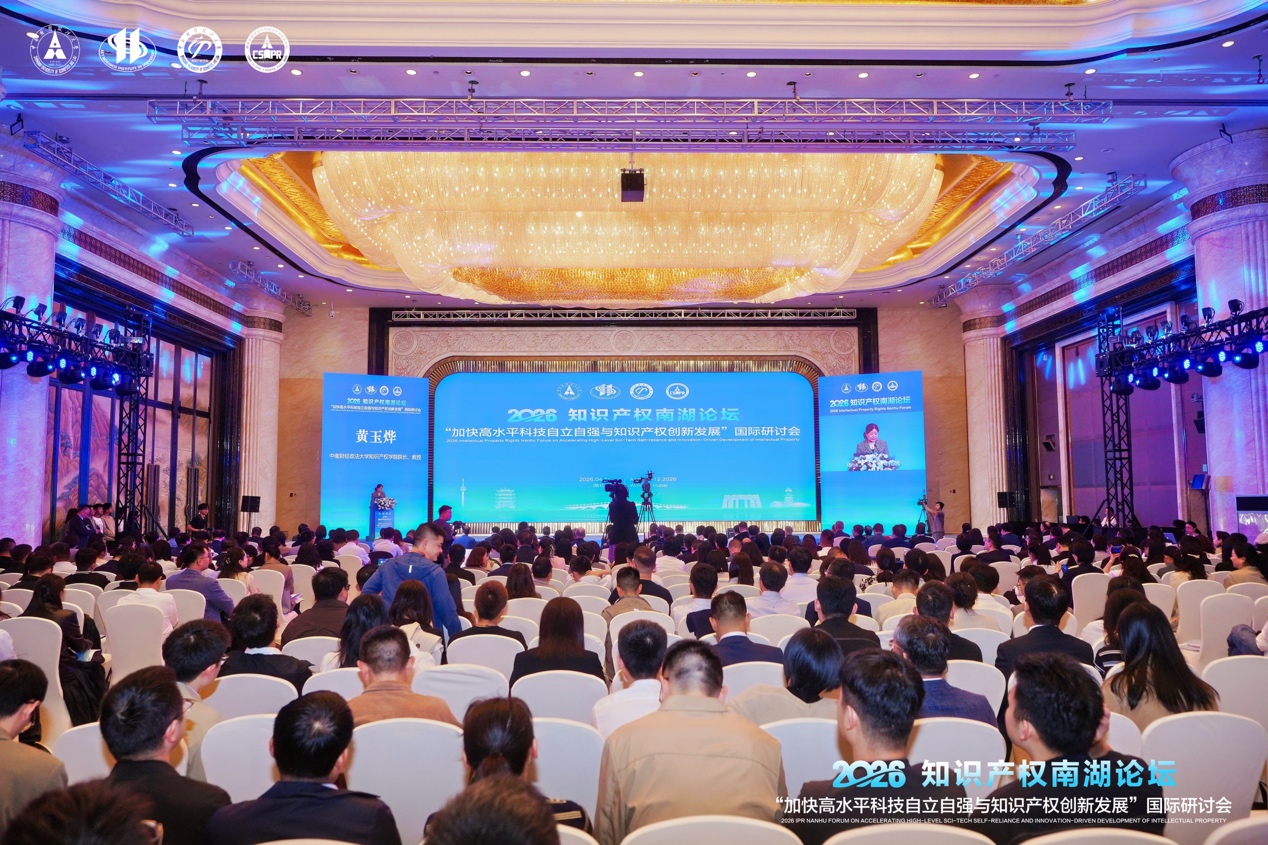
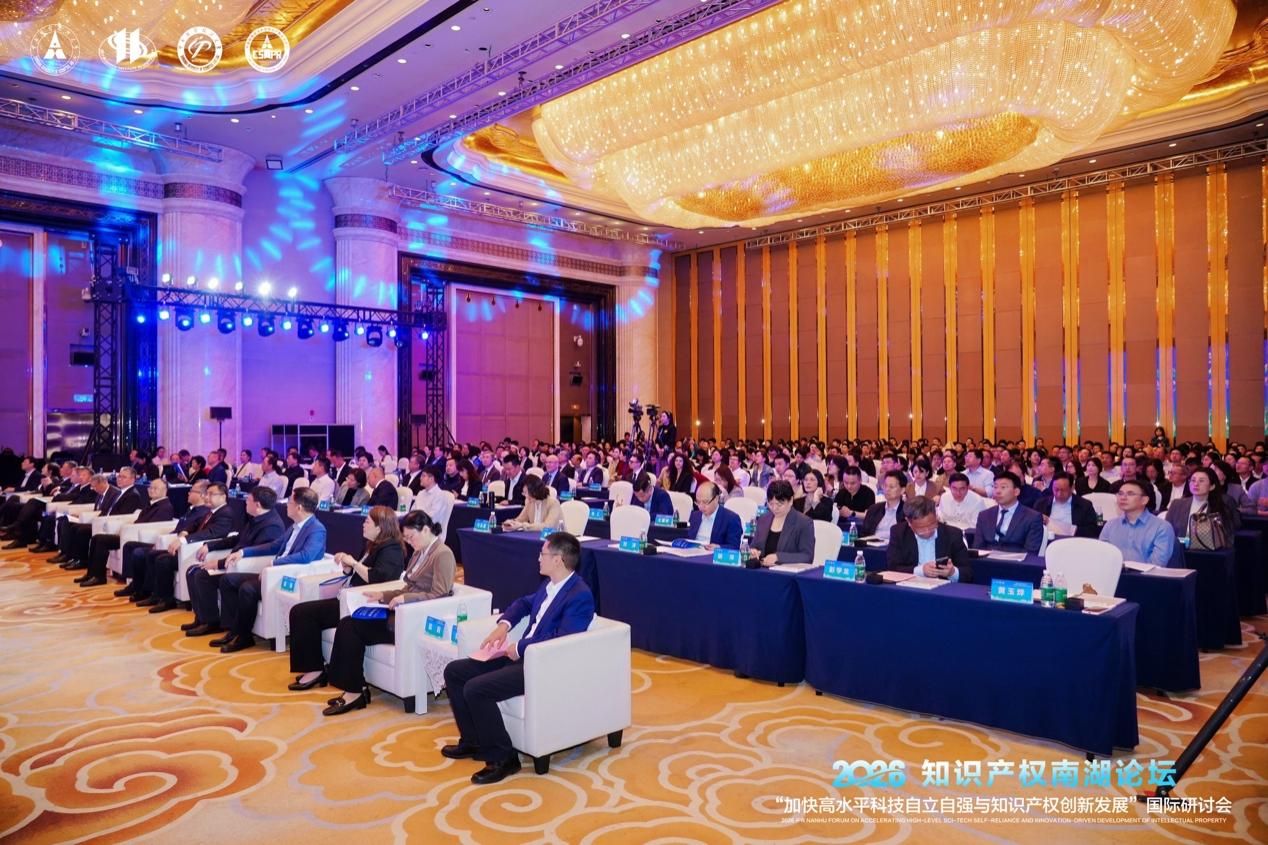
This forum was hosted by Zhongnan University of Economics andLaw(ZUEL), and co-organized byits Intellectual Property Research Center, the School of Intellectual Property, the Discipline Innovation Base for the New-era Technological Revolution and Intellectual Property, Wu Handong Foundation for Legal Education, the Theoretical Research Base for Intellectual Property Judicial Protection of the People’s Courts, the National Research Base for the Implementation of Intellectual Property Strategy, the International Copyright Research Base of the National Copyright Administration, the Culture and Tourism Research Base of the Ministry of Culture and Tourism, the National Intellectual Property Training Base (Hubei), Hubei Intellectual Property Research Association, Intellectual Property Law Research Association of Hubei Law Society, and the Editorial Department ofLaw and Business Review.
Wang Binying, Deputy Director-General of the World Intellectual Property Organization (WIPO), and Shen Changyu, Secretary of the Party Leadership Group and Commissioner of the National Intellectual Property Administration, sent writtenremarks to the forum.Wang Zhicheng, Director of the Copyright Administration Bureau of the Publicity Department of the Communist Party of China Central Committee; You Quanrong, Secretary of the Party Leadership Group and President of the Hubei Higher People’s Court; Wang Shou’an, Secretary of the Party Leadership Group and Chief Prosecutor of the Hubei People’s Procuratorate; Wu Jun, Secretary of the Party Leadership Group and Director of the Hubei Provincial Intellectual Property Administration; and Hou Zhenfa, Party Secretary of ZUEL,addressed the opening ceremony in person.Chen Baifeng, Vice President ofZUEL, presided over the opening ceremony.
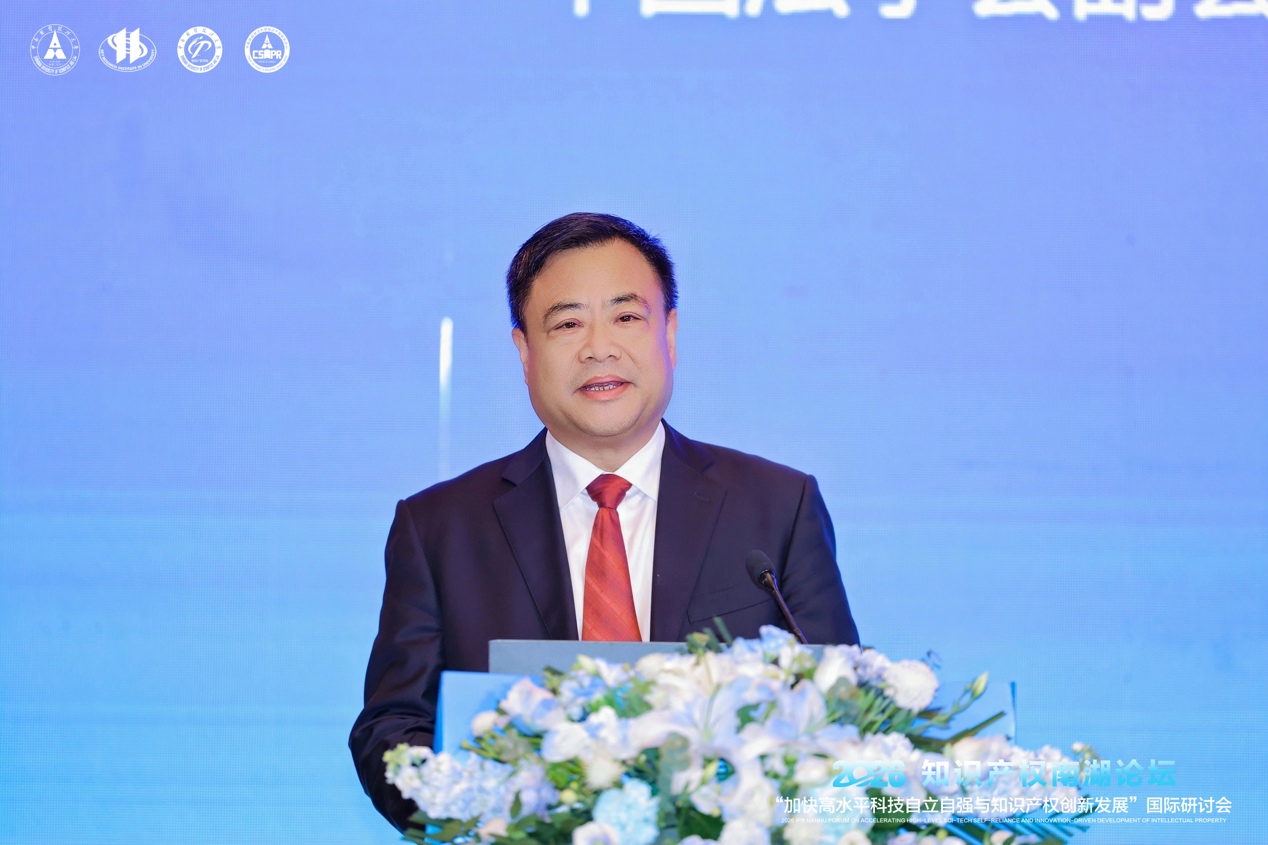
Hou Zhenfa, Party Secretary ofZUEL and Vice President of the China Law Society,Delivered aSpeech
In his opening address, Hou Zhenfapointed out that over the past 22 years since its founding, the Nanhu Forum has grown into a globally influential platform for internationalIPexchange. He emphasized that this year’s forum, closelyrooted in national strategies andcontemporary issues, is of great significance.ZUEL will continue to leverage its strengths in the multidisciplinary synergy of economics,finance,law, and management alongside its expertise in intellectual property research. The university will deepen collaborative innovation among industry, academia, and research institutions, as well as international cooperation, and will continue to bolster talent cultivation, theoretical innovation, and social services, thereby contributing even greater efforts to building a world-class intellectual property powerhouse with distinct Chinese features.
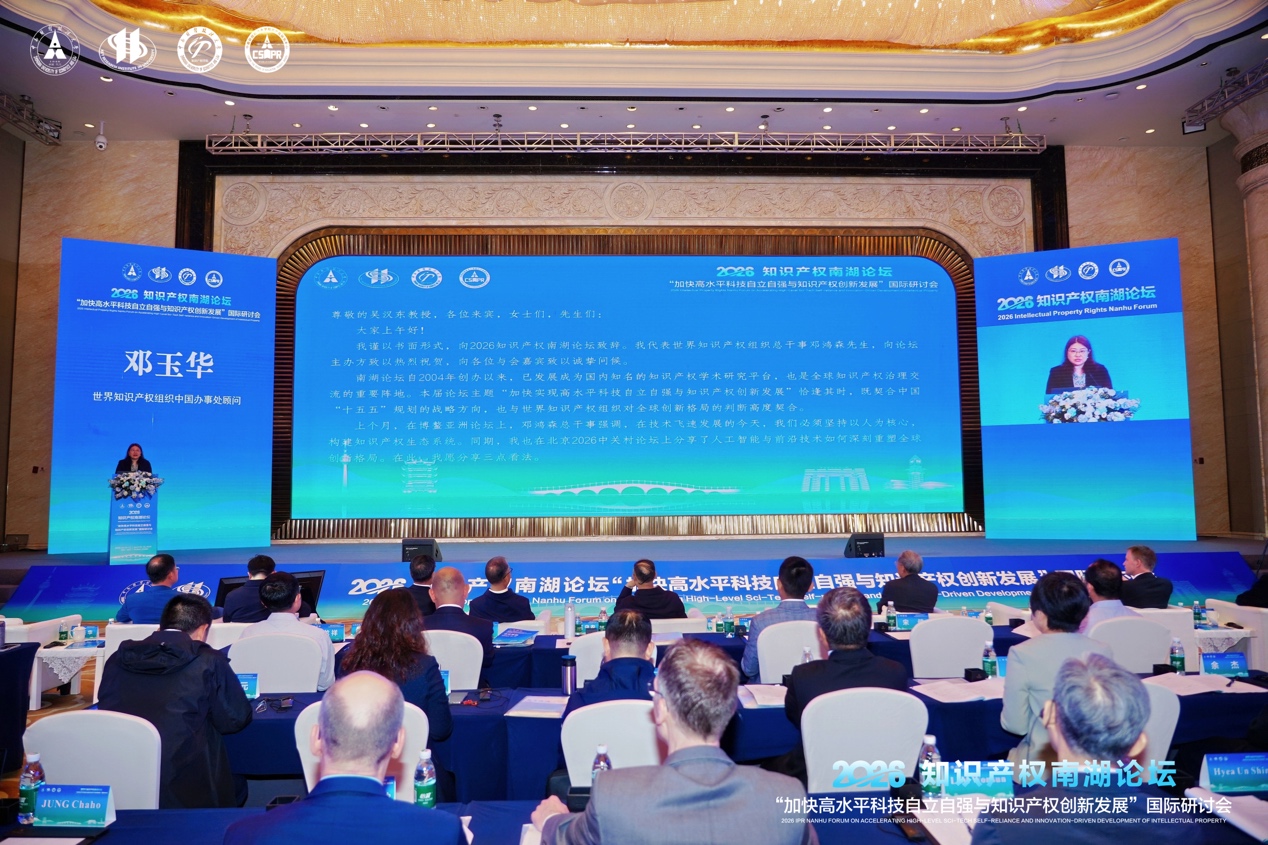
Deng Yuhua,Advisor of theOffice ofWorld Intellectual Property Organization (WIPO) in China,Delivered aWrittenAddress onBehalf of Wang Binying,Vice Director General ofWIPO
In her keynote address, Wang Binying noted that the theme of this forum closely aligns with the direction of China’s 15th Five-Year Plan andechoes WIPO’s vision for global innovation. She stressed that intellectual property serves as a vital safeguard and catalyst for achieving high-quality sci-tech self-reliance and self-improvement, adding that China’s innovation capabilities are steadily improving and its volume of PCT international patent applications continues to lead the world. WIPO will continue to work hand in hand with China to ensure that international intellectual property rules evolve to meet new challenges, jointly improve the global intellectual property ecosystem, and support global innovation and development.
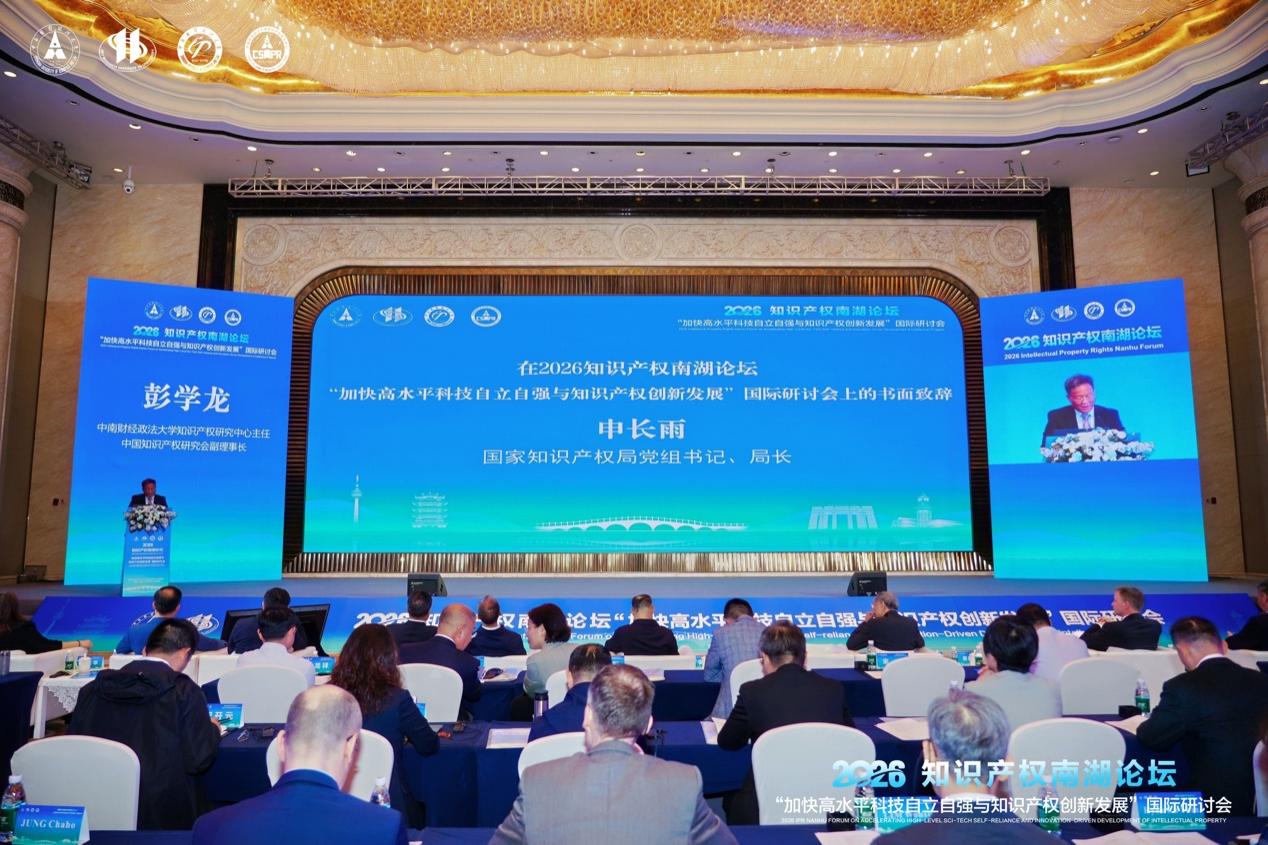
Shen Changyu, Secretary of the Party Leadership Group and Director of the National Intellectual Property Administration,Delivered aFormalWrittenAddress
In his speech, Shen Changyu highlighted that China’s innovation capabilities have significantly improved in recent years, with the country ranking among the top10 in the Global Innovation Index for the first time and leading the world for three consecutive years in the number of top 100 global innovation clusters. The China National Intellectual Property Administration will thoroughly implement theOutline for Building aCountry Strong on Intellectual Property, further refineIP protection rules in emerging fields, and fully supportbreakthroughs in core technologies. It is expected that the Nanhu Forum will continue to serve as a high-qualityl exchange platform to pool consensus and wisdom and provide solid theoretical and academic support for China to strengthen innovation incentives and seize the commanding heights of technological competition.
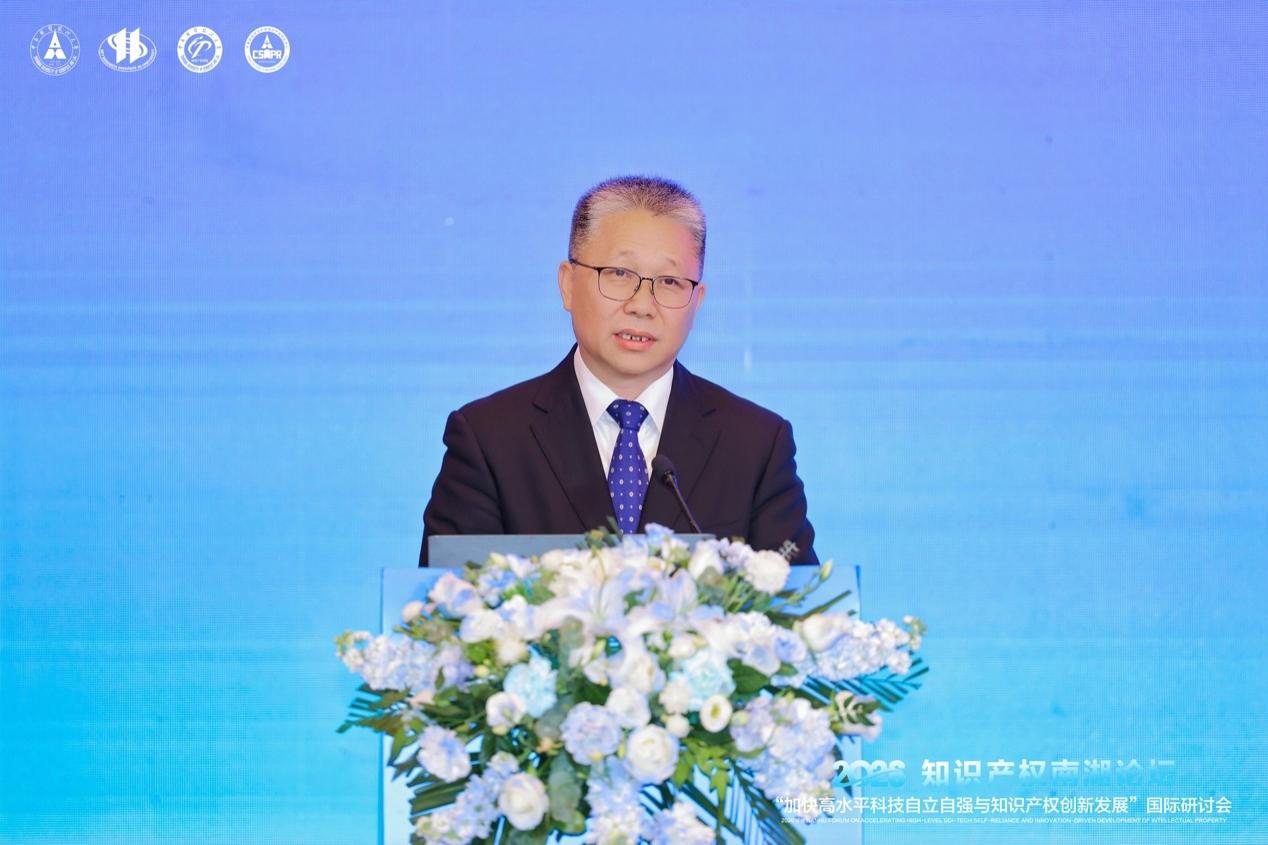
Wang Zhicheng, Director of theNationalCopyright Administration of the Publicity Department of the Communist Party of China (CPC) Central Committee, Delivered a Speech
Wang Zhicheng expressed that China has made significant progress in copyrightcause in the new era.Nevertheless,it still facesnumerous challenges, includingan inadequateinstitutional supply, frequent online infringement and piracy, legal identification dilemmas brought by emerging technologies, and growing pressure in responding to international challenges.Going forward, China will accelerate the revision of implementing regulationsofthe Copyright Law anddevelop clear rules for new fields and new business forms such as artificial intelligence andworks offolk literature and art. It will continue to carry out special campaigns against copyright infringement and promote the coordinated operation of administrative enforcement and judicial protection in order to boost in-depth integration of copyright with technology, culture and the digital economy.In addition, China will actively participate in global copyright governance,thus providing solid copyright underpinningforrealizing high-quality sci-tech self-reliance and building a culturally influential nation.
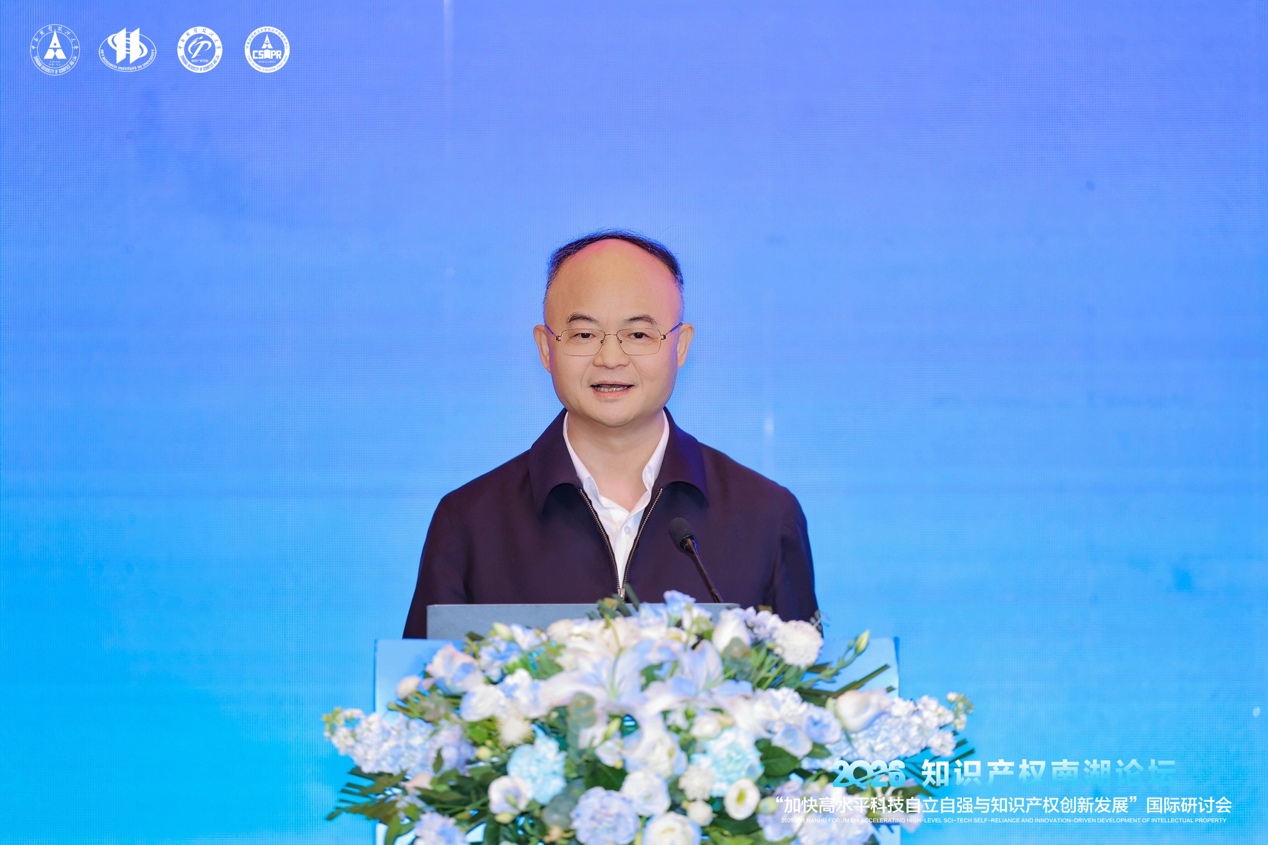
You Quanrong, Secretary of the Party Leadership Group and President of the Hubei Provincial High People’s Court,Delivered aSpeech
Inthe address, You Quanrongpointedoutthatas a major sci-tech and educational hub and an innovation highland, Hubei shoulders the historical mission of building a nationally influential science and technology innovation center and forging an important strategic pivot for the rise of central China, which places higher requirements on the judicial protection of intellectual property rights (IPR).Guided by the conviction that protectingIPRmeansprotecting innovation, the courts in Hubei have established a full-chain judicial protection system for IPR. They continue to improve specialized trial mechanisms, increase compensation for infringement in accordance with the law, and extend the reach of judicial services. They also actively promote the establishment of the Wuhan Intellectual Property Court to make Wuhan the preferredplace for resolving international intellectual property disputes.All the efforts are intended to provide high-quality judicial services to underpintechnological innovation and the development of new-qualityproductive forces.
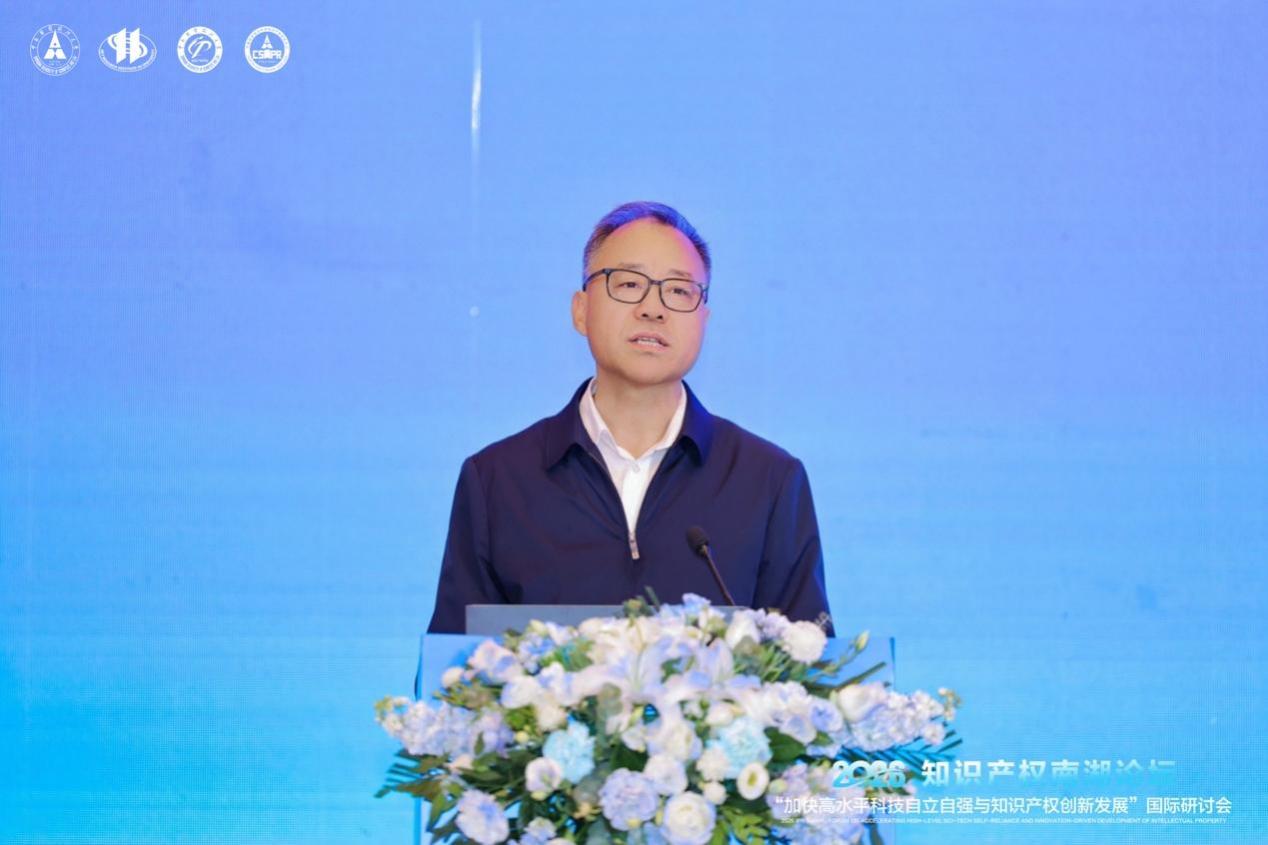
Wang Shouan, Secretary of the Party Leadership Group and ProcuratorGeneralof the Hubei Provincial People’s Procuratorate,Delivered a Speech
Wang Shouan pointed out that procuratorial protection of IPR, a crucial part of the legal guarantee system for IPR,plays an important role insupportinghigh-quality sci-tech self-reliance and self-improvement. In line with the science and technology innovation-led strategy, procuratorial authorities in Hubei have successively carried out specialprocuratorialcampaignsfortechnological innovation protection in recent years. Procuratorial organs across the province will continue to strengthen collaboration withvarious parties, such asadministrative agencies, judicial authorities, universities, and will alsoimprove two-waycoordinationmechanism between administrativelawenforcement and criminal justice, and establish a working frameworkofstrict,comprehensive,efficient, andequal protection.By performing their duties in a more solid and effective manner, they willcontributeto building Hubei intoaprovince with strong intellectual propertyprotection toprovide solid legal guarantee for technological innovation.
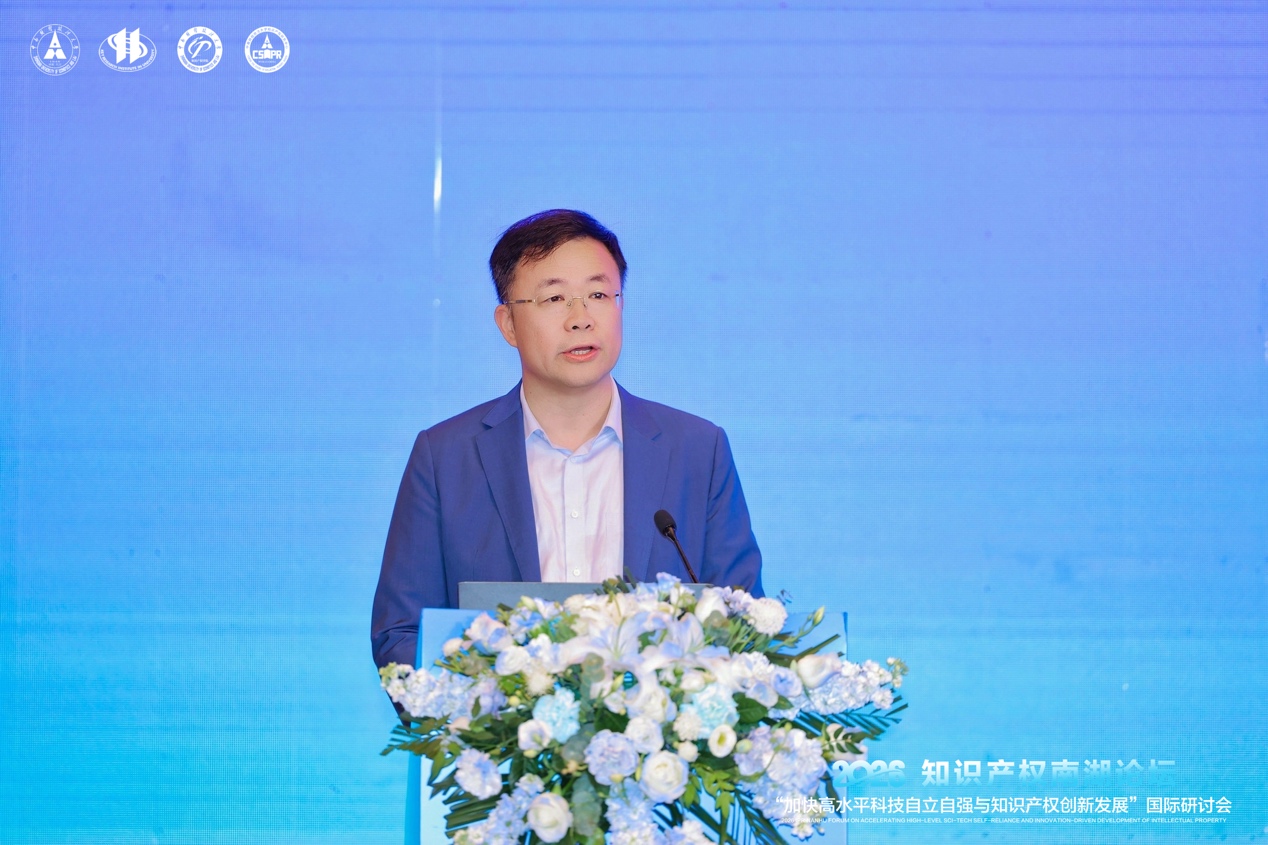
Wu Jun, Secretary of the Party Leadership Group and Director of the Hubei Intellectual Property (IP) Bureau,Delivered aSpeech
In his address, Wu Jun stressed that Hubei would strive to build itself into an intellectual property powerhouse anchored in the goal of achieving high-level sci-tech self-reliance andself-strengthening. The province will carry out two special initiatives concerning high-value patent cultivation and patent transformation, as well as two major programs for IP protection system improvement and regional innovation brand building, alongside three priorities of regional coordination, cross-border IP protection and service optimization. These endeavors will comprehensively elevate Hubei’s overall intellectual property strength, and better support its development as an important strategic support for the revitalization of central China.
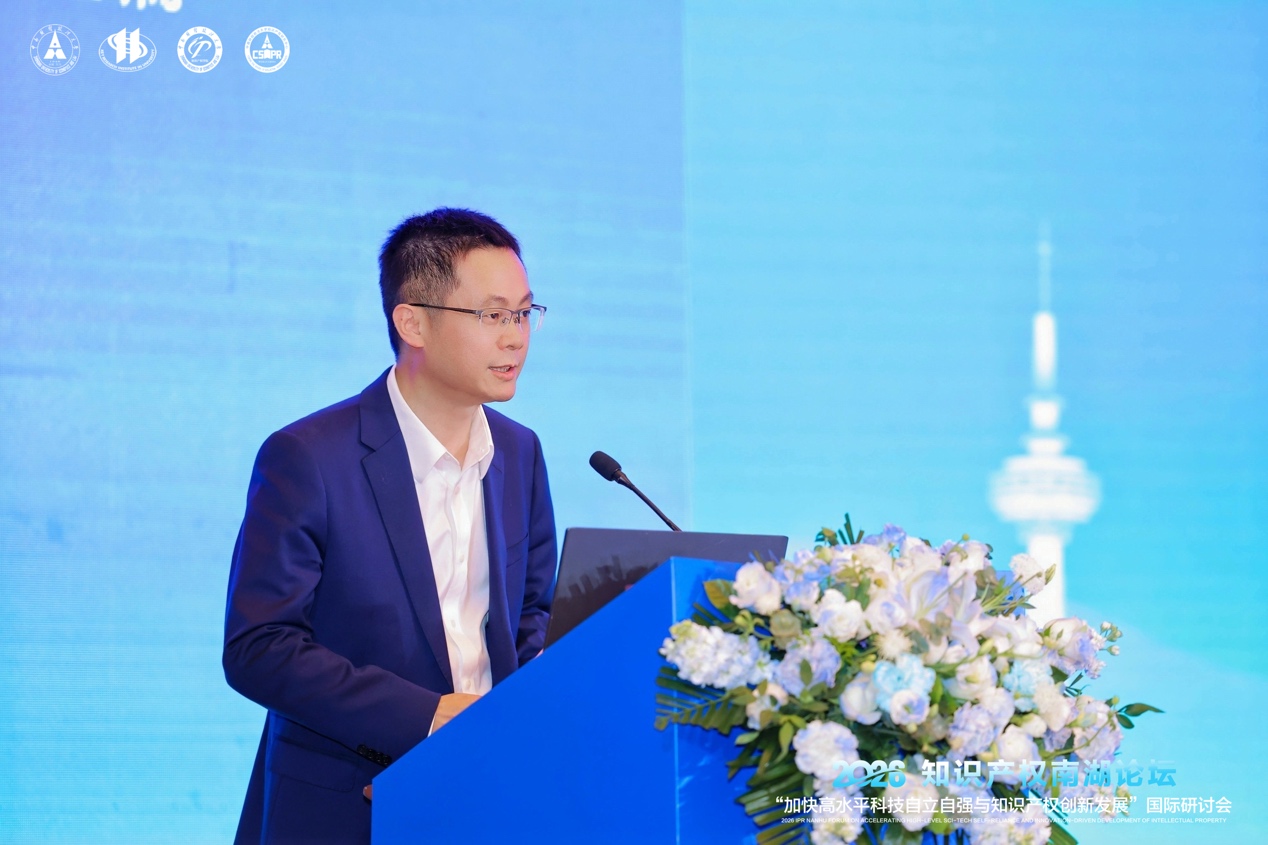
Chen Baifeng, Member of the Standing Committee of the Party Committee and Vice President of ZUEL,PresidedOver theOpeningCeremony
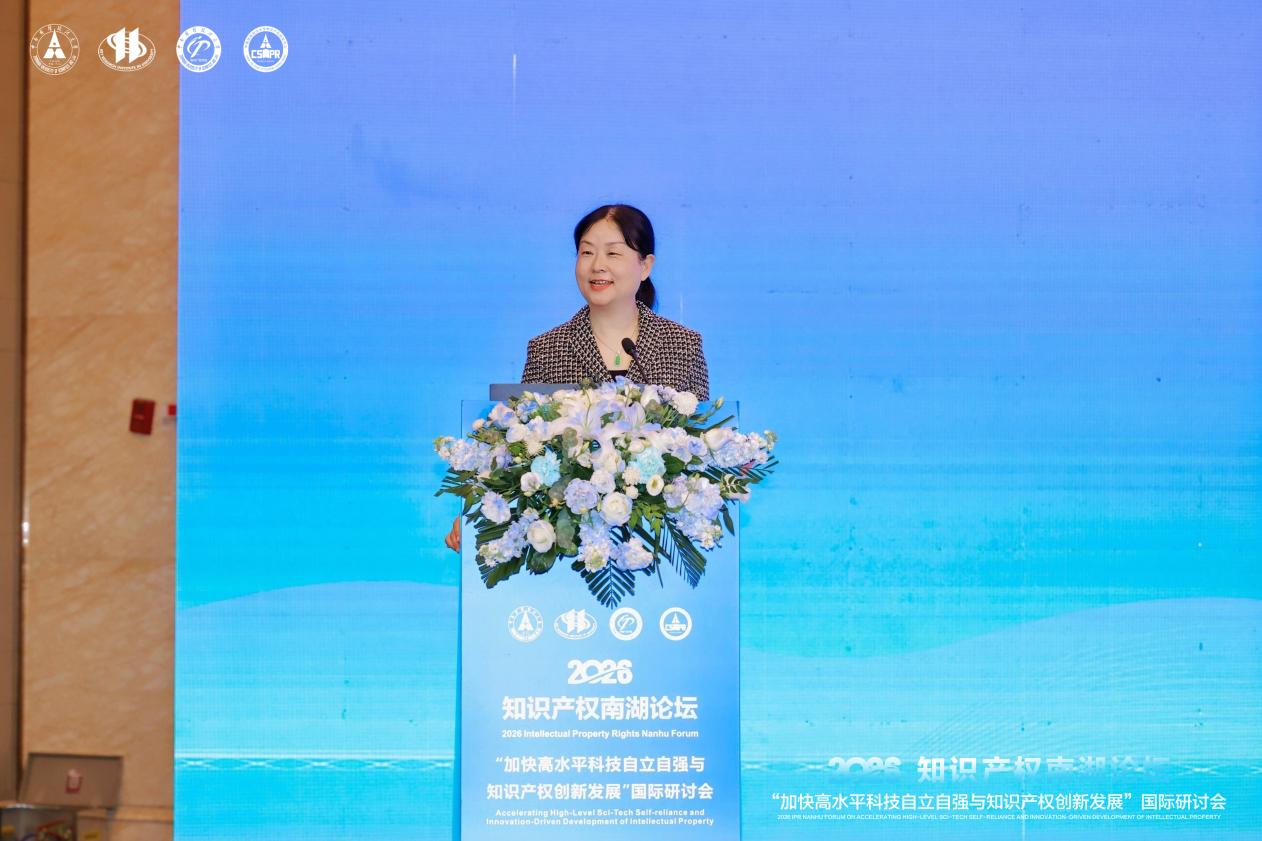
Huang Yuye, Dean of the Intellectual Property School of ZUEL,Delivered Opening Remarks and Introduced the Distinguished Guests in Attendance
At the forum, eight top experts examined how intellectual property underpins high-quality sci-tech self-reliance, powers new quality productive forces and facilitates global innovation governance, covering frontier topics ranging from the knowledge revolution and judicial adjudication to AI and industrial innovation.
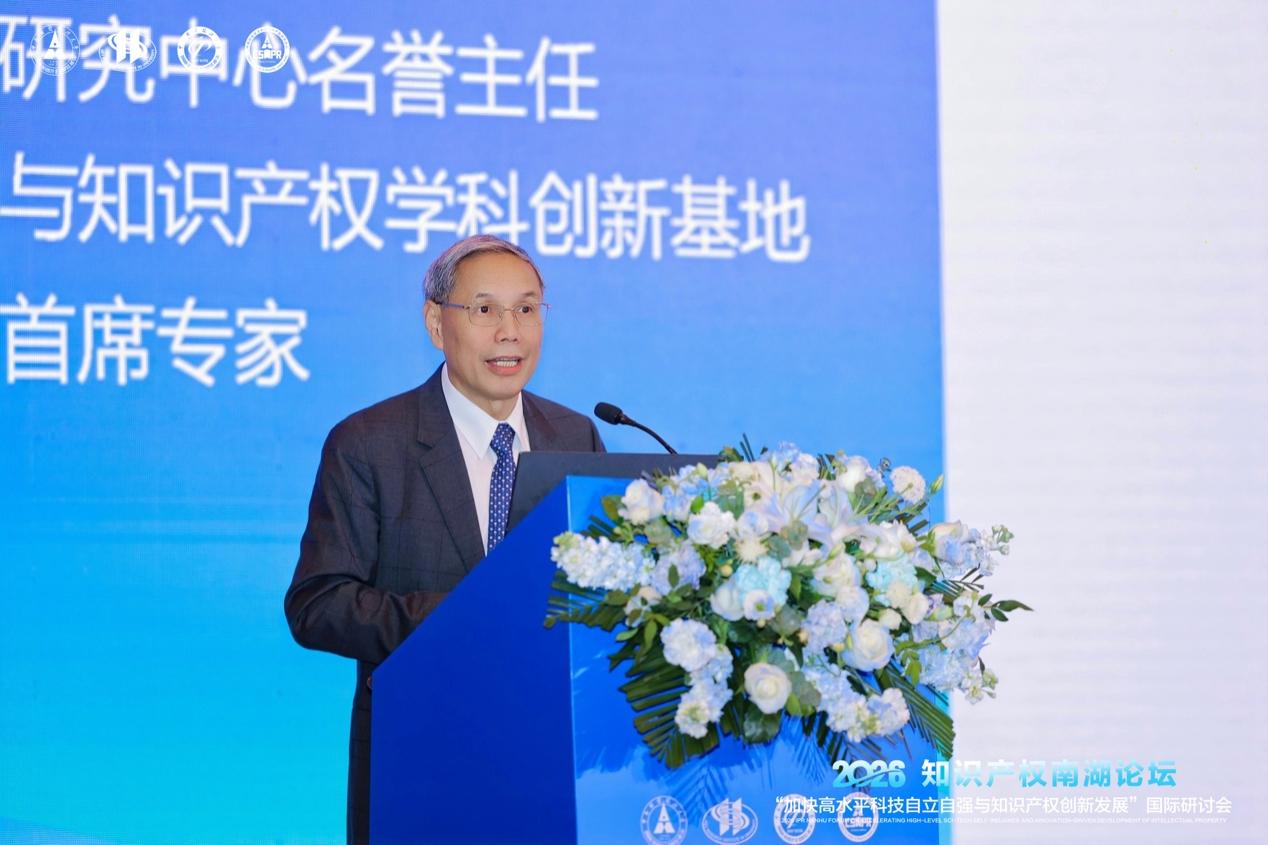
Wu Handong, Wenlan Distinguished Scholar Professor at ZUEL,delivered a keynote speech titled“The Intellectual Property System in the Era of the Knowledge Revolution: Challenges and Countermeasures”. He also serves as Honorary Director of the Intellectual Property Research Center, and Chief Expert of the Discipline Innovation Base for the New Era Scientific and Technological Revolution and Intellectual Property.
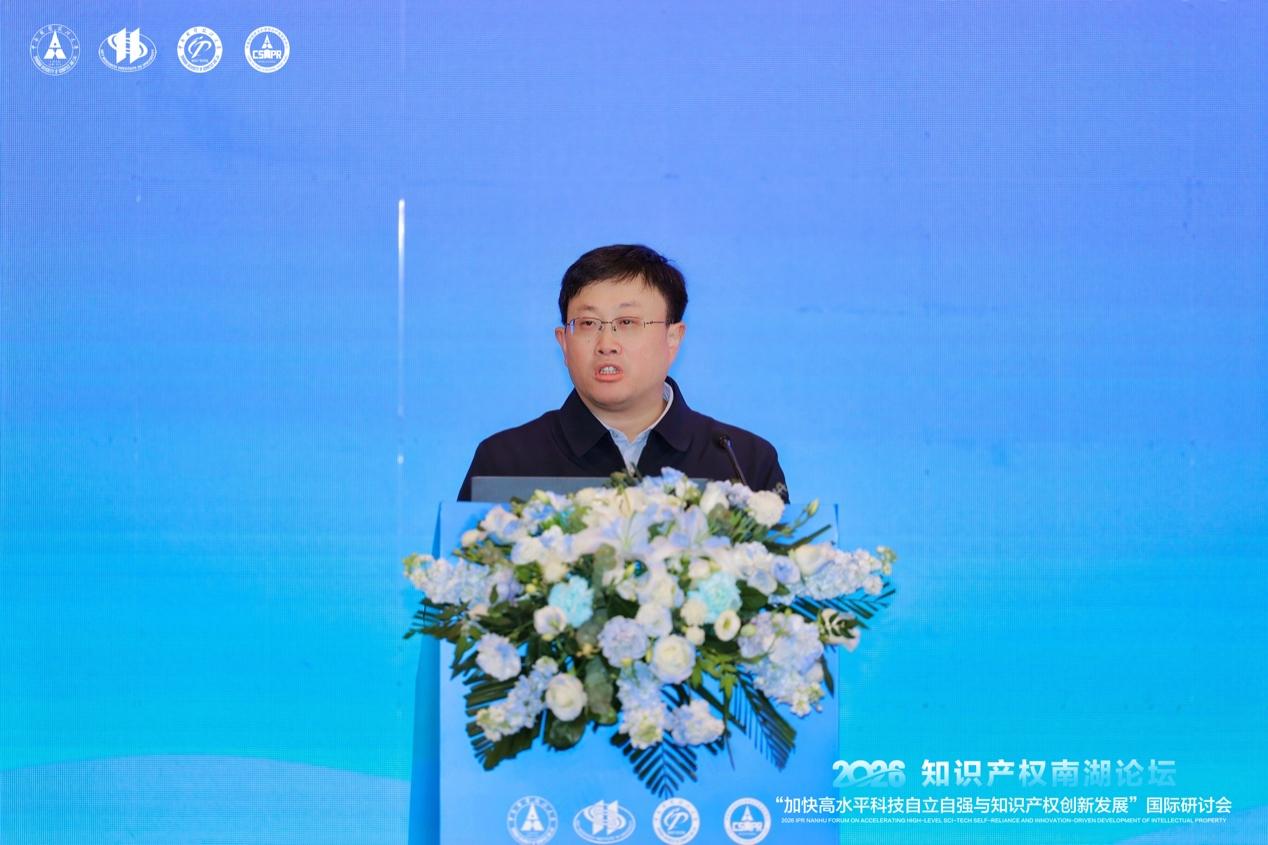
Chen Longye, Deputy Chief Judge of the Intellectual PropertyCourt of the Supreme People’s Court, delivered a keynote speech titled“Strengthening High-Quality Intellectual Property Adjudication to Safeguard High-QualitySci-TechSelf-Reliance and Self-Strengthening”.
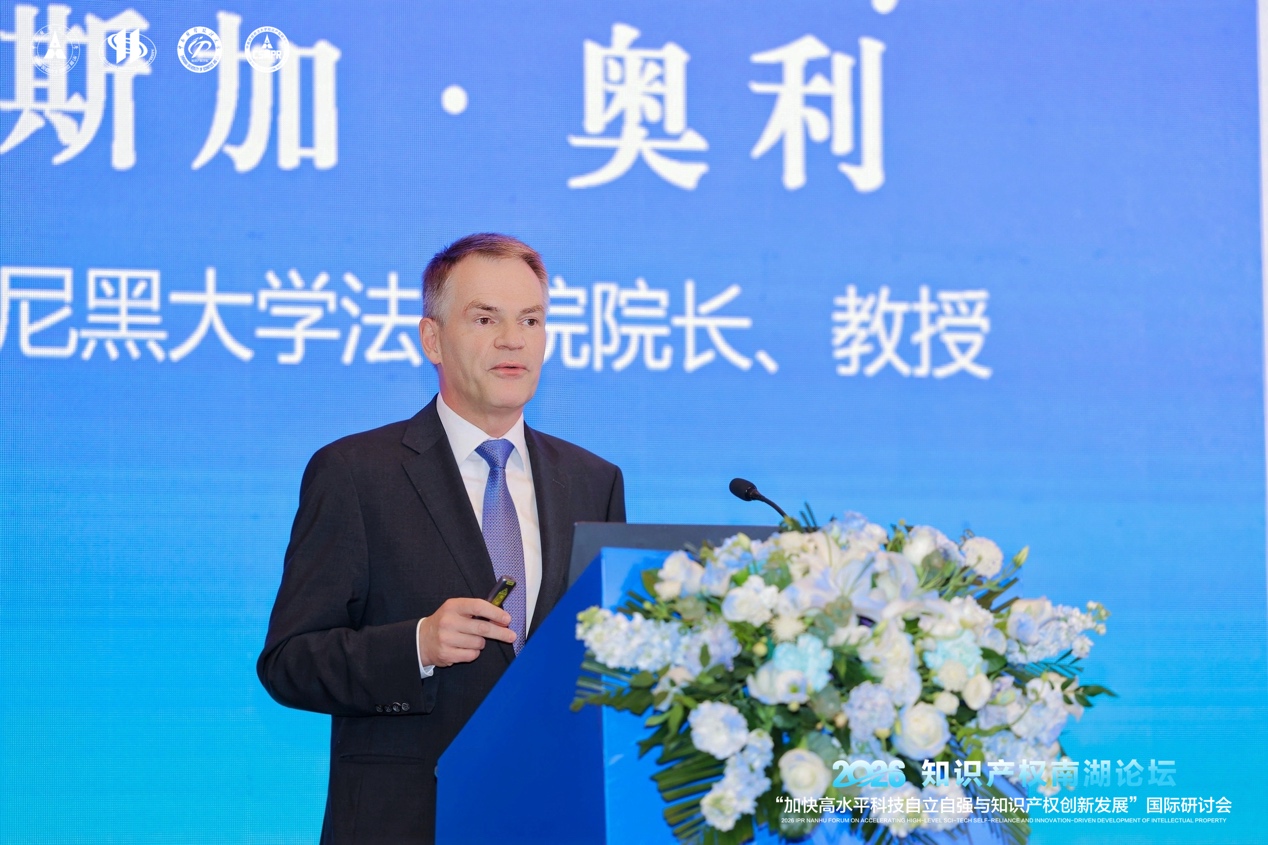
Professor Ansgar Ohly, Dean of the Faculty of Law at Ludwig Maximilian University of Munich, delivered a keynote speech titled“GenAI and Copyright Infringement: Towards a Fair Balance”.
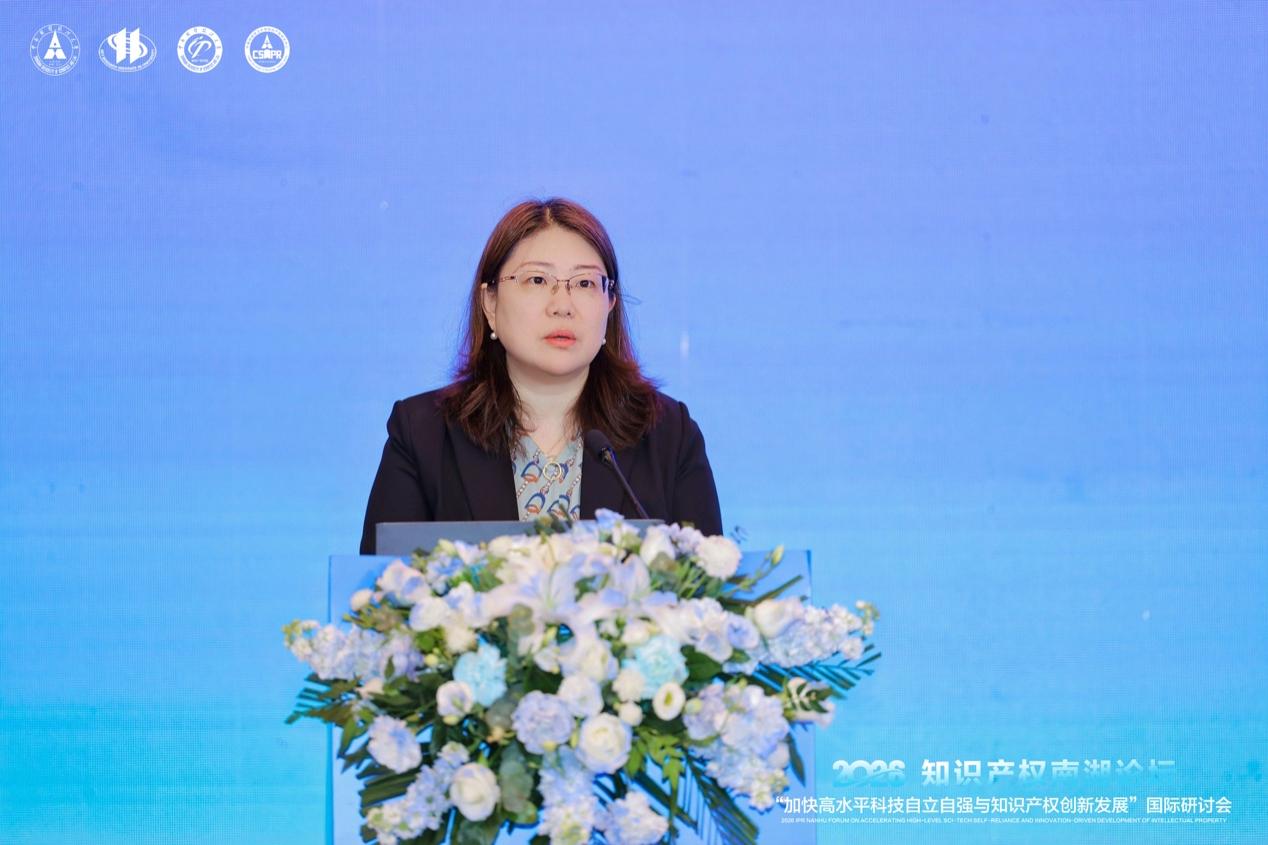
Deng Yuhua, Counselor at the WIPO Office in China, delivered a keynote speech titled“Intellectual Property as a Catalyst forInterconnected Innovation”.
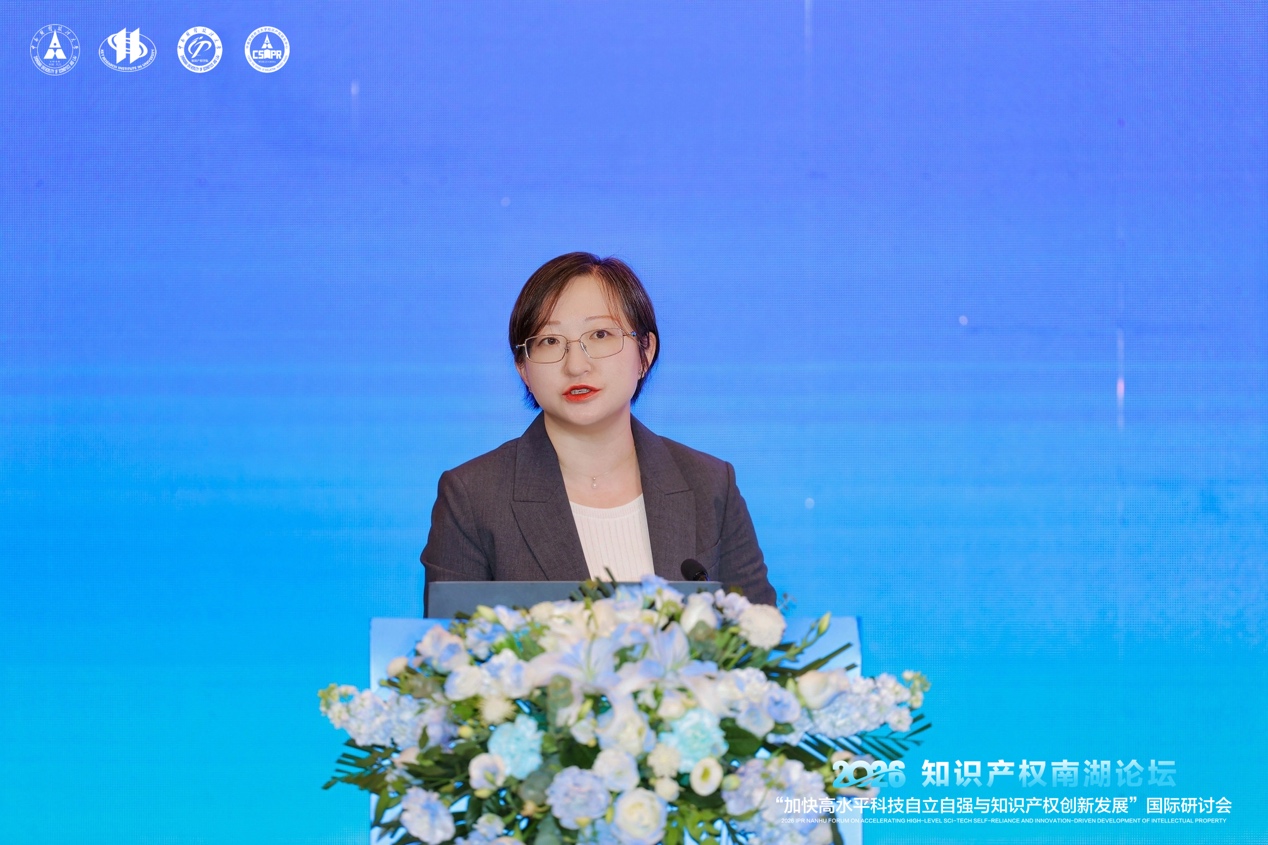
Su Hong, Chief Representative ofInternational Trademark Association (INTA) in China, delivered a keynote speech titled“INTA’s Methodology for Keeping Pace with AI Development”.
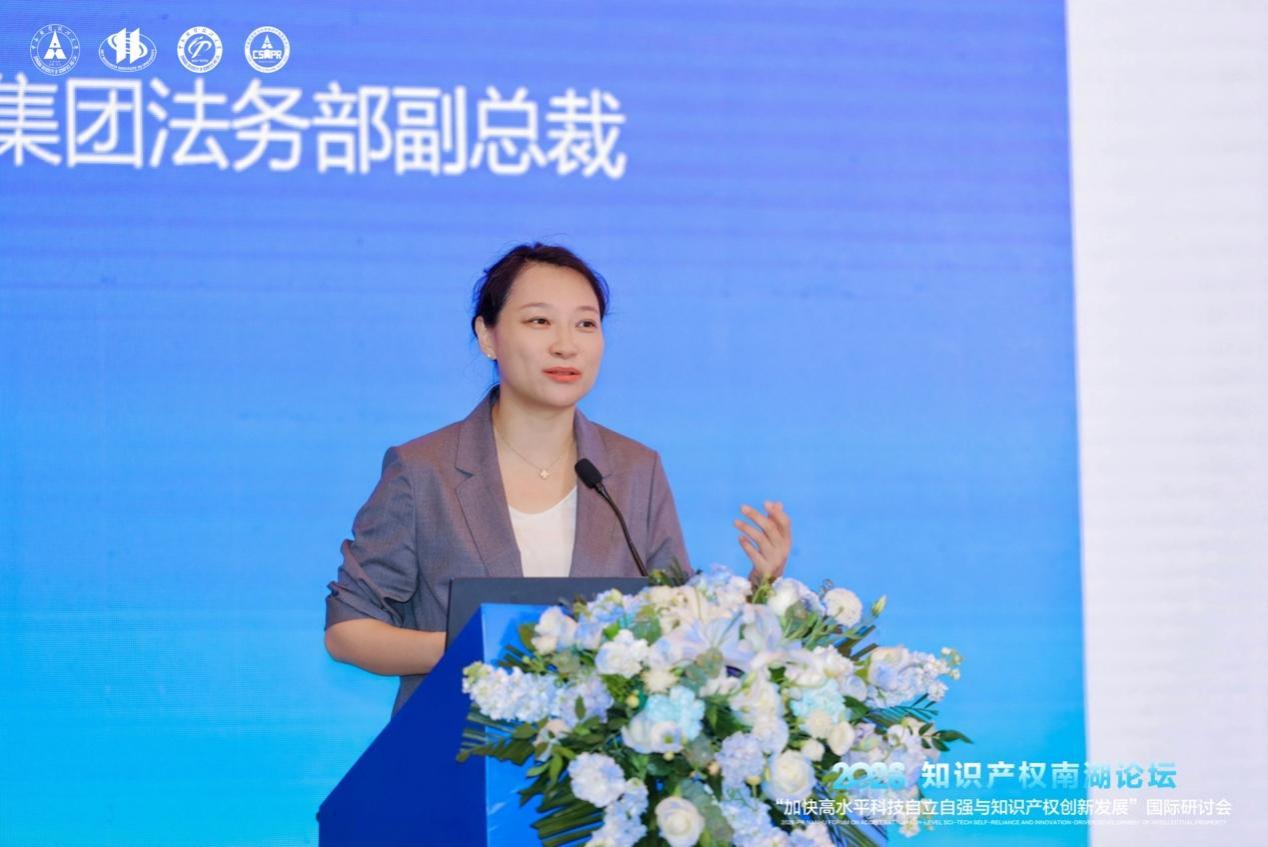
Diao Yunyun, Vice President oftheLegalDepartment atTencent Holdings Limited, delivered a keynote speech titled“The Film and Television Industry in the AI Era: Development and Legal Safeguards”.
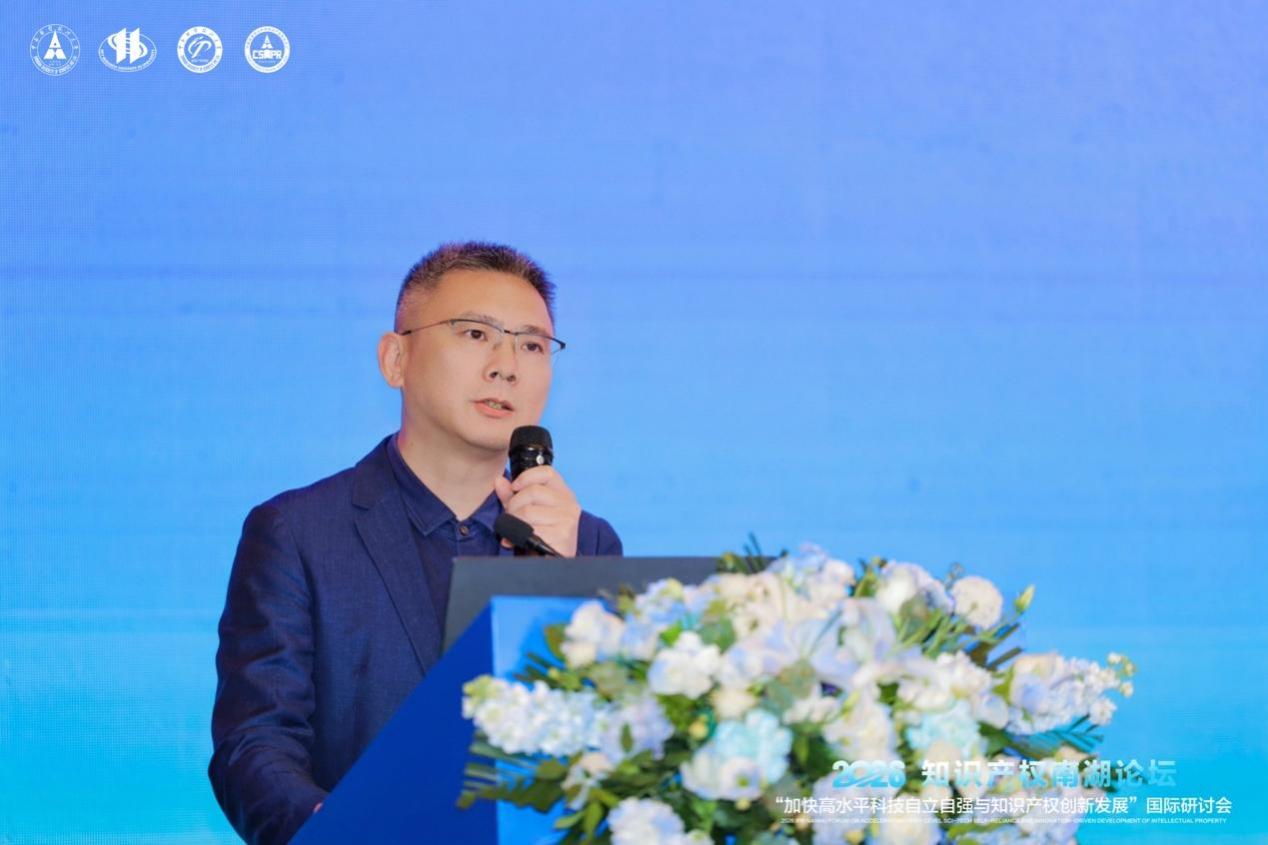
Shen Hongfei, Deputy Chief Intellectual Property Officer at Huawei, delivered a keynote speech titled“Data and Licensing to Drive the Development of the AI Industry”.
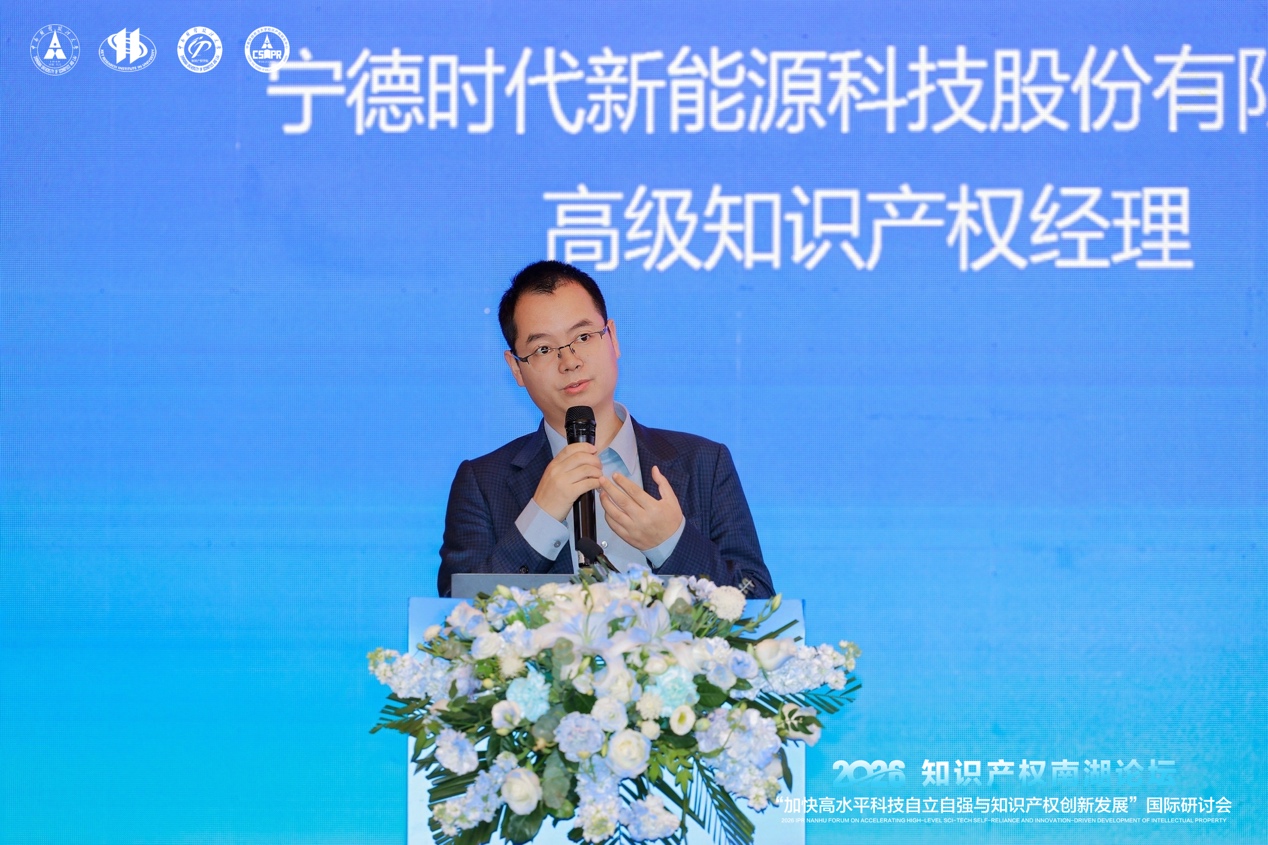
Chen Dezong, Senior Intellectual Property Manager atContemporary Amperex Technology Co., Limited (CATL), delivered a keynote speech titled“Intellectual Property Protection to Support High-Quality Development of the New Energy Industry”.
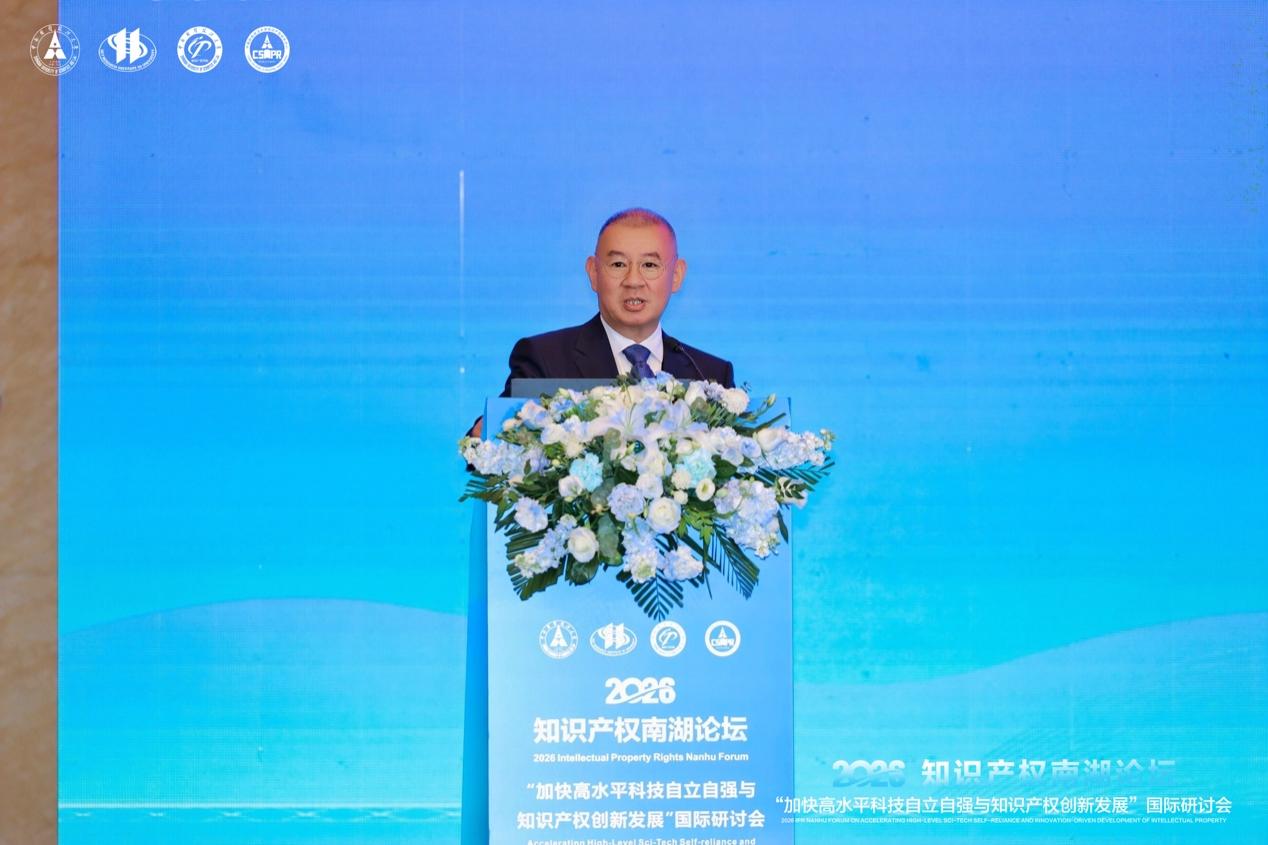
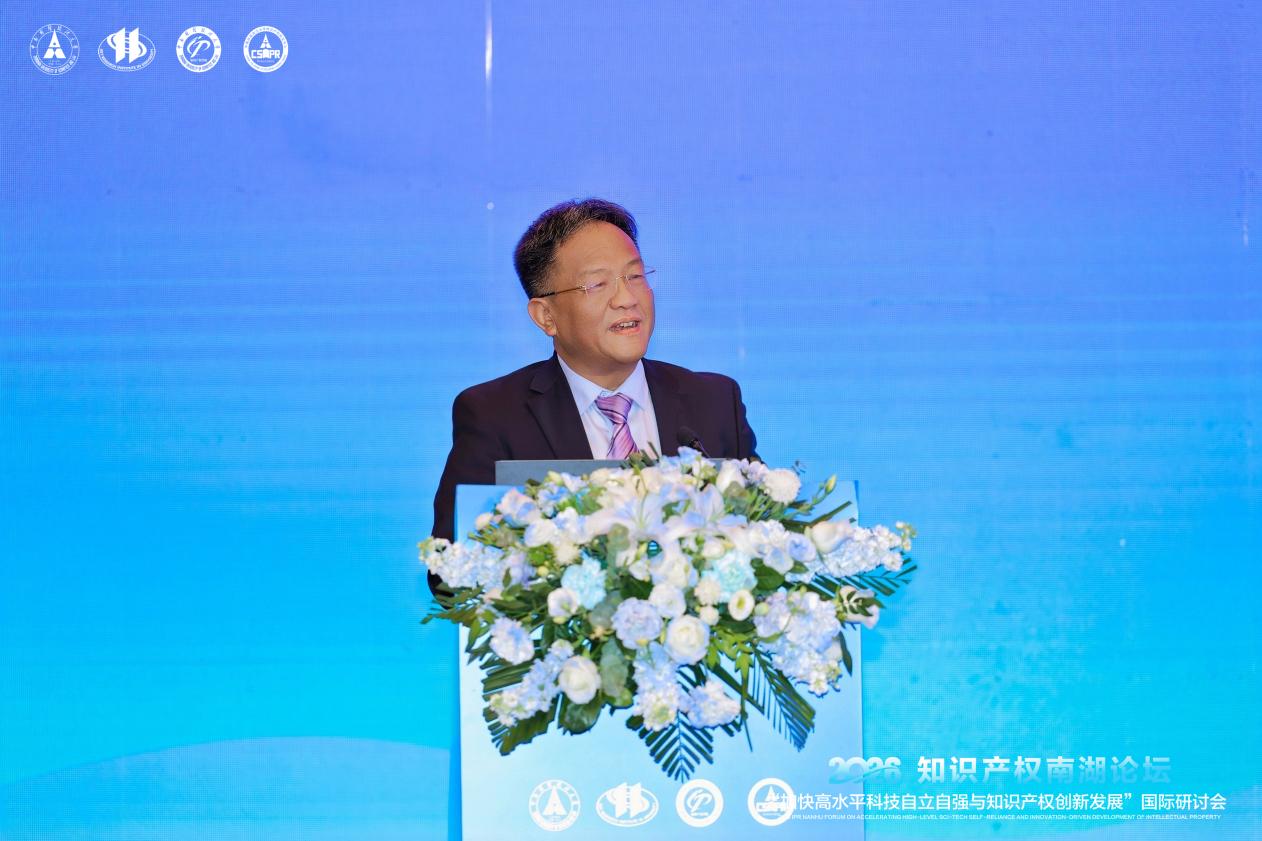
The keynote session was co-chaired by Ma Yide and Peng Xuelong. Ma Yide is Wenlan Distinguished Professor of ZUEL, Dean and Chair Professor of the School of Intellectual Property at the University of Chinese Academy ofSciences. Peng Xuelong is Professor and Director of the Intellectual Property Research Center of ZUEL, and Vice Chairman of the China Intellectual Property Society.
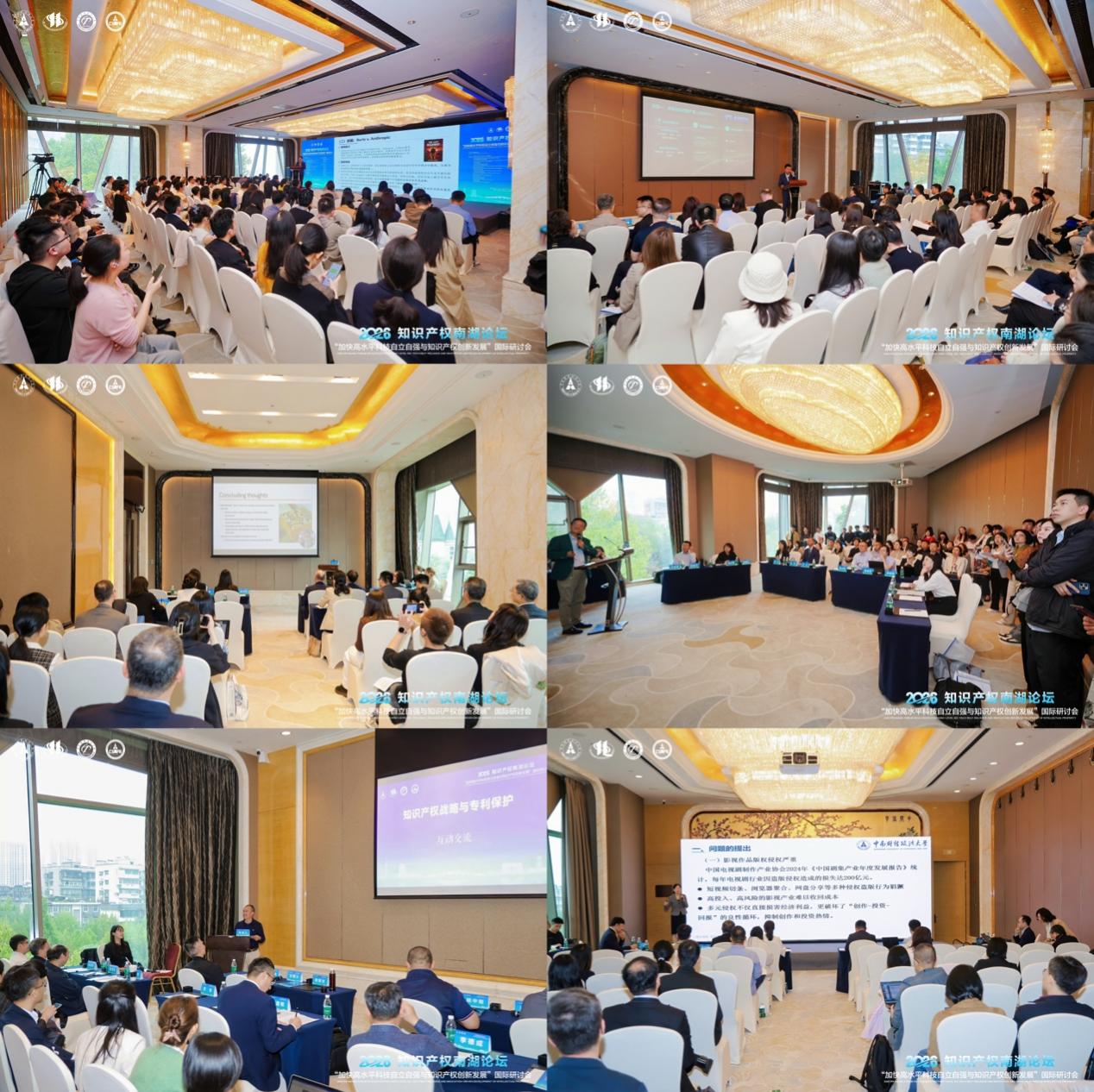
The forum lasted two days. In addition to the main forum, eight themed sub-forums were held, covering Artificial Intelligence and Intellectual Property, Digital-Intelligent Intellectual Property and Global Governance, Intellectual Property Strategy and Patent Protection, Judicial Protection of Intellectual Property, Brand Operation and Trademark Protection, Intellectual Property Protection and Industrial Innovation, Platform Liability in the Film and Television Industry, and Young Scholars’ Forum. These sub-forums focused on key and hot issues in intellectual property across the board, advancing theoretical innovation and practical application.
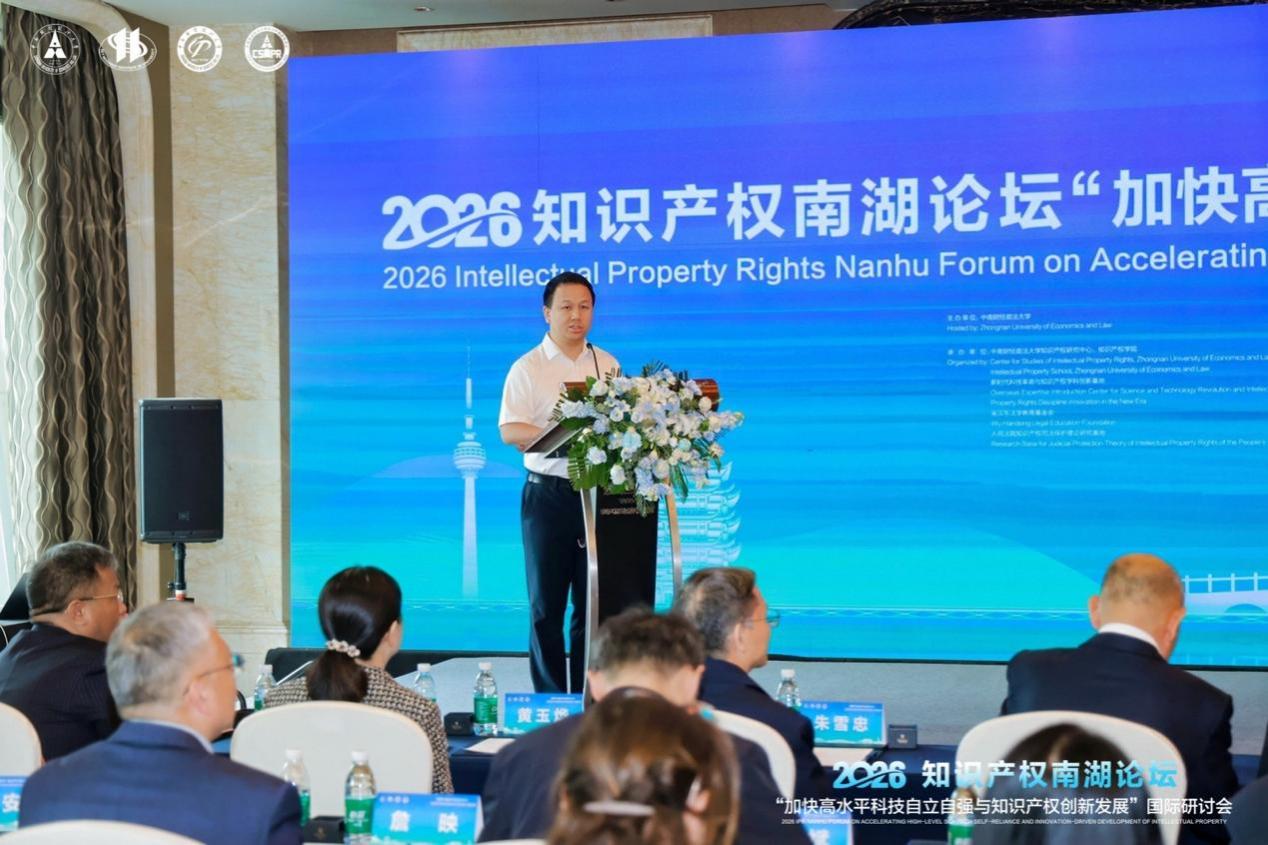
On the morning of April 12, the closing ceremony of the forum was presided over by Cao Ji’an, Secretary of the Party Committee of the School of Intellectual Property at ZUEL. Distinguished guests, experts, scholars, and student representatives witnessed the successful conclusion of the forum.
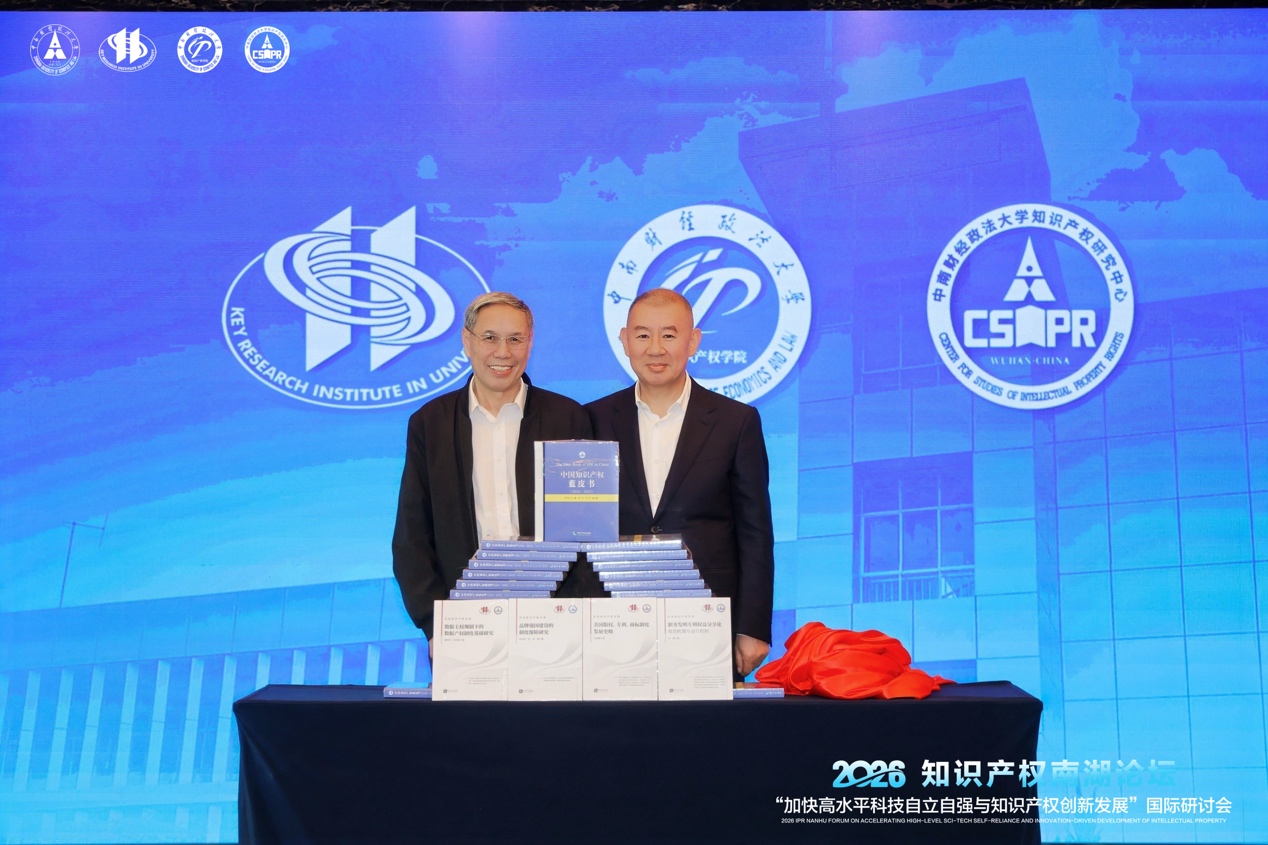
At the closing ceremony, a series of major academic achievements were officially released and promoted.Blue Bookof IPRin China(2024–2025) was formally launched. Compiled by the Intellectual Property Research Center of ZUEL,a key research base for humanities and social sciences underChina’s Ministry of Education, it marks the 15th volume since its debut in 2007. The book, as a valuable complement to official white papers, serves as an authoritative annual academic report on China’s intellectual property, comprehensively reviewing advances in IP legislation, judicial practice, industrial application and international trends.In addition, the Wenhong Intellectual Property Library was also promoted. Featuring high-quality intellectual property research, the library has published numerous academic works and is committed to building a landmark academic brand for intellectual property research in China. Professor Wu Handong, Senior Wenlan Professor and Honorary Director of the Intellectual Property Research Center at ZUEL, and Professor Ma Yide, Dean of the School of Intellectual Property at the University of Chinese Academy of Sciences, jointly unveiled the achievements.
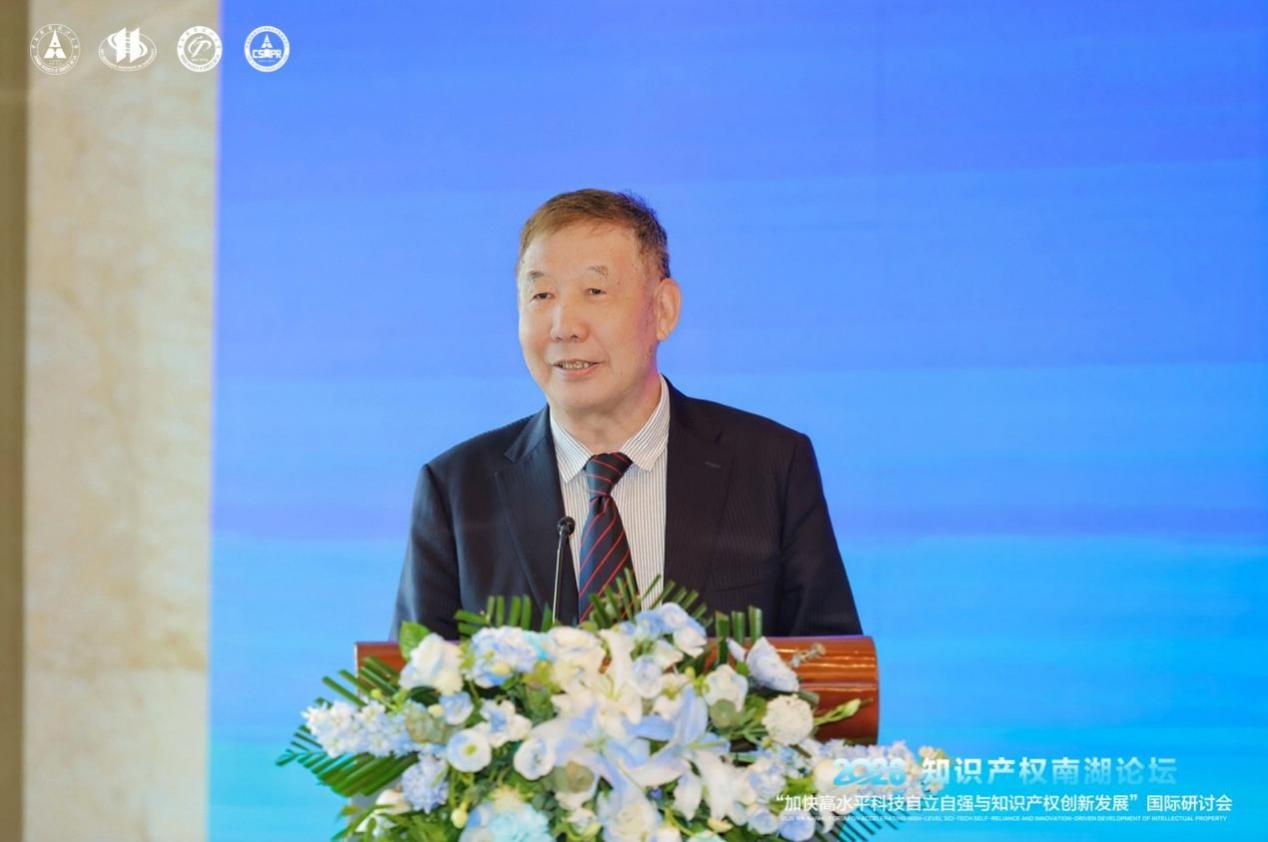
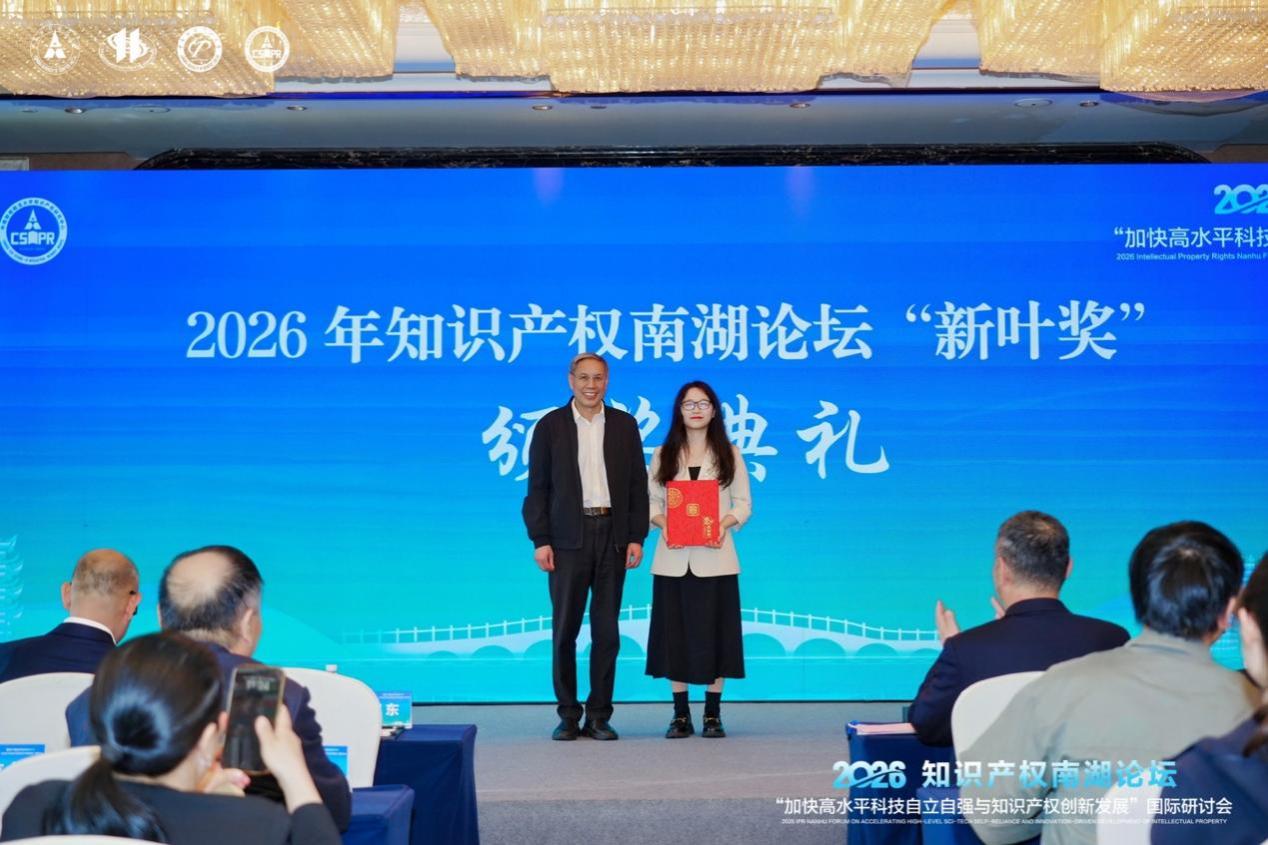
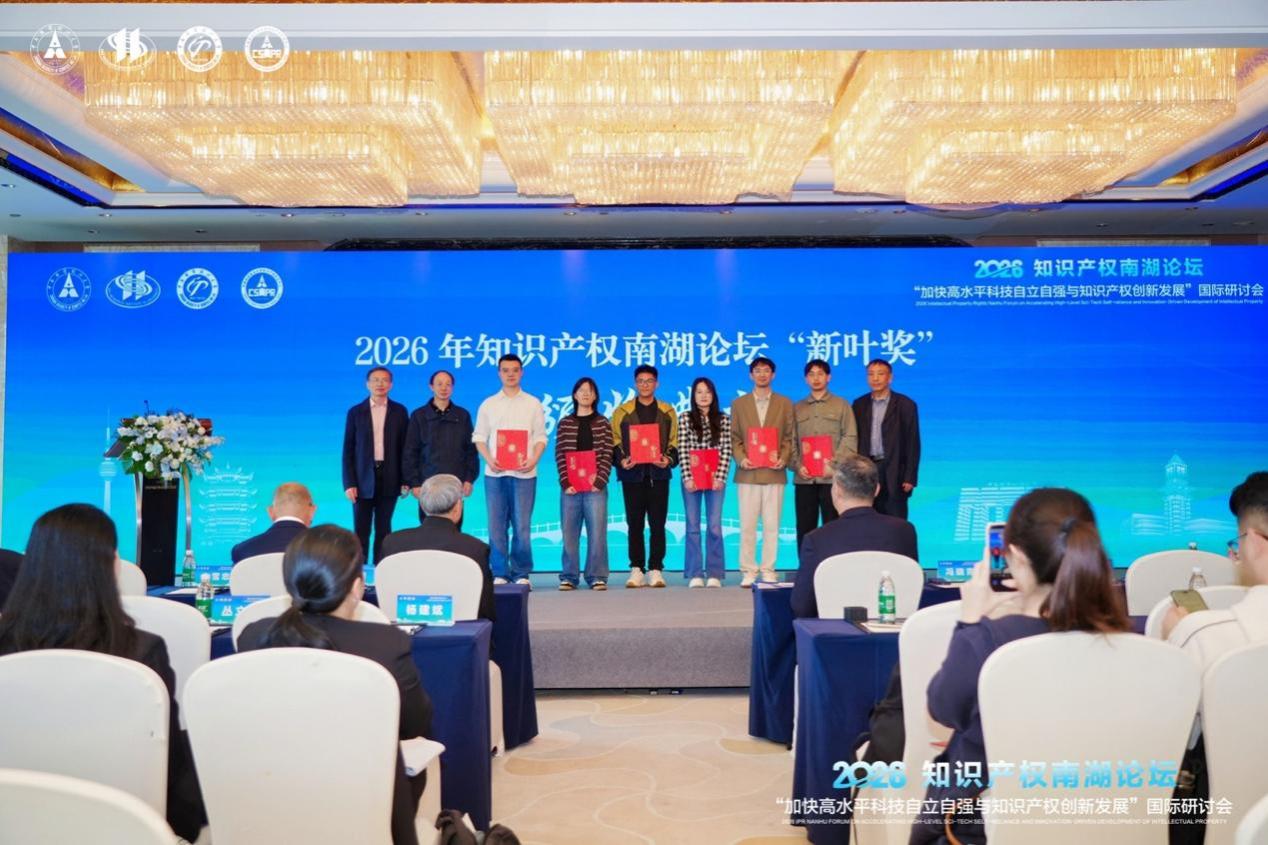
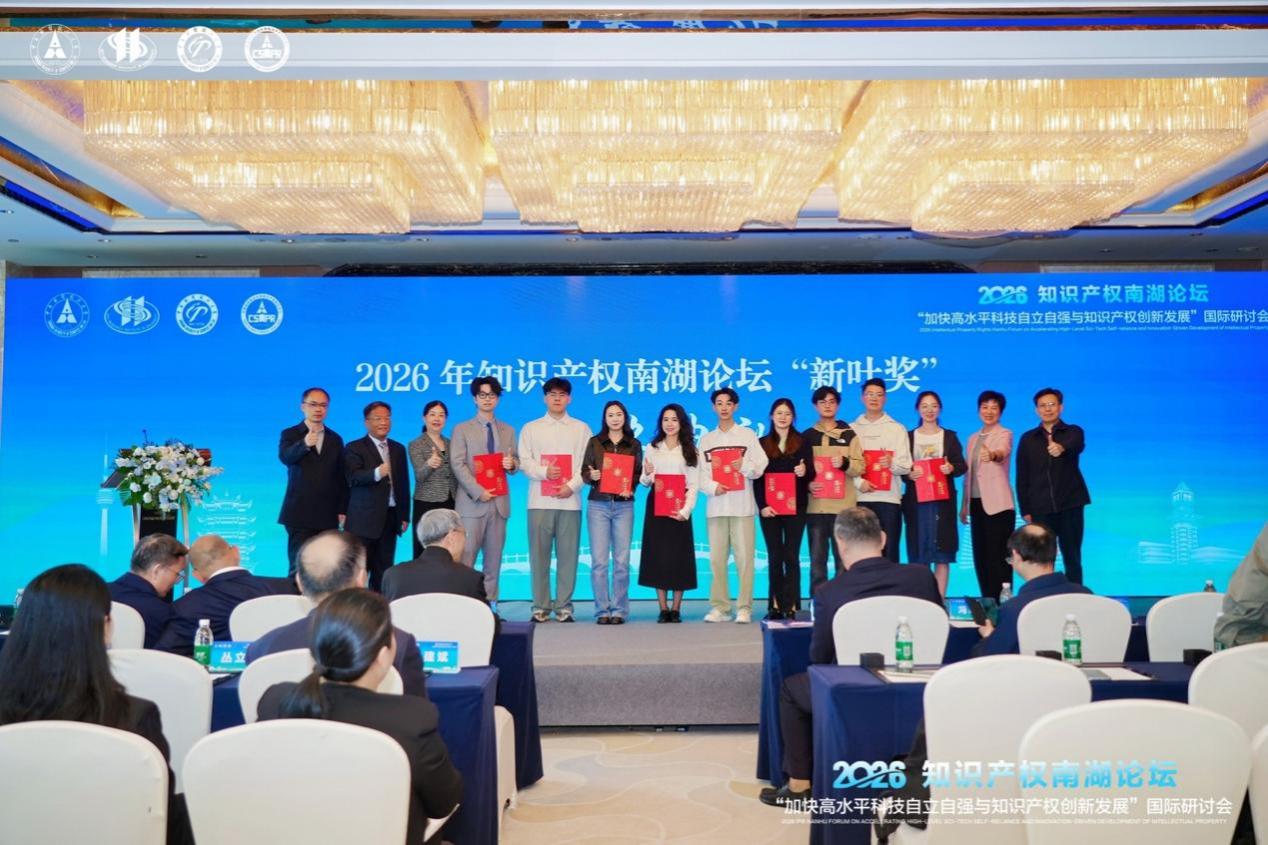
Professor Li Mingde, Chair of the Academic Committee of the Intellectual Property Research Center at ZUEL, Changcheng Scholar of Chinese Academy of Social Science, and Honorary Director of the Intellectual Property Center,introduced the review process of the 2026“New Leaf Award” and announced the winners. A total of 253 papers were submitted for this essay competition by young scholars and practitioners from various universities and law firms. Following similarity screening, preliminary review, secondary review and final review, 18 papers were selected for The New Leaf Award, comprising 2 first prizes, 6 second prizes and 10 third prizes.
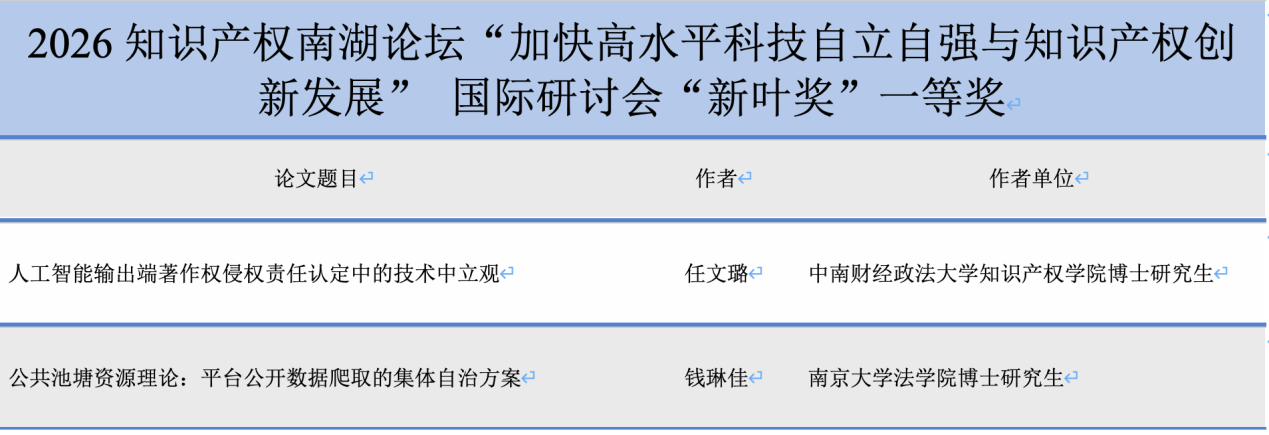
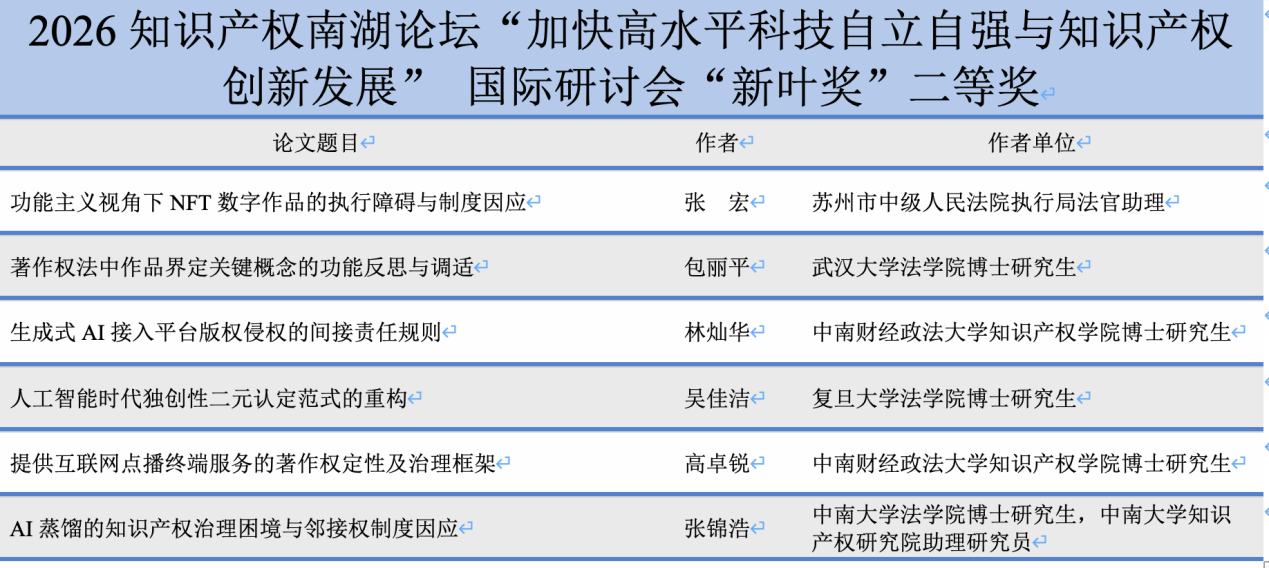
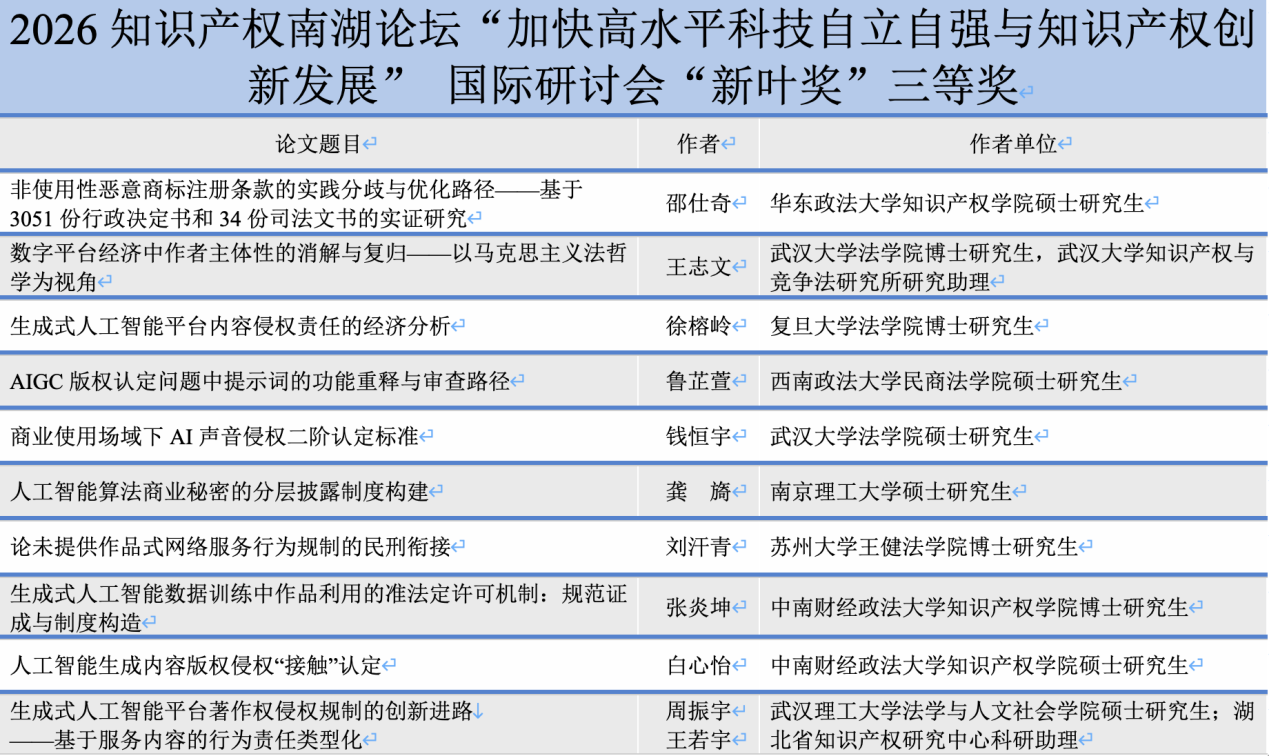
At the award ceremony, members of the Academic Committee of the Intellectual Property Research Center (a Key Research Base for Humanities and Social Sciencesof the Ministry of Education) at ZUEL jointly presented awards to the winners. Qian Linjia, a doctoral candidate from the Law School of Nanjing University, spoke on behalf of the award winning authors.
In his closing remarks, Peng Xuelong, Director of the Intellectual Property Research Center at ZUEL and Vice Chairman of the China Intellectual Property Research Society, stated that this forumhad gathered distinguished scholars and prominent guests, evolving into an academic feast and spiritual haven for China’s intellectual property academic and professional circles. Closely aligned with national policies and guidelines, the forum held in depth discussions on major issues concerning the building of a powerful intellectual property nation, fully embodying the patriotism and academic pursuit of IP scholars who commit their research to serving the nation and integrate their scholarship into the great cause of Chinese style modernization. Featuring rich and substantial content as well as pragmatic and thorough discussions, the forum enabled numerous young scholars and students to stand out through exchanges, injecting vigorous vitality into the development of intellectual property undertakings.
(END)
Reported by:Xu Jianfei, Liu Jingyi, Lu Shihui